
Microphone Finder
Your microphone recommendation in one minute
-
 by
Fabian
by
Fabian
- last edited: 17.11.2025
Your recommendation is below
Your result
Zoom H1essential
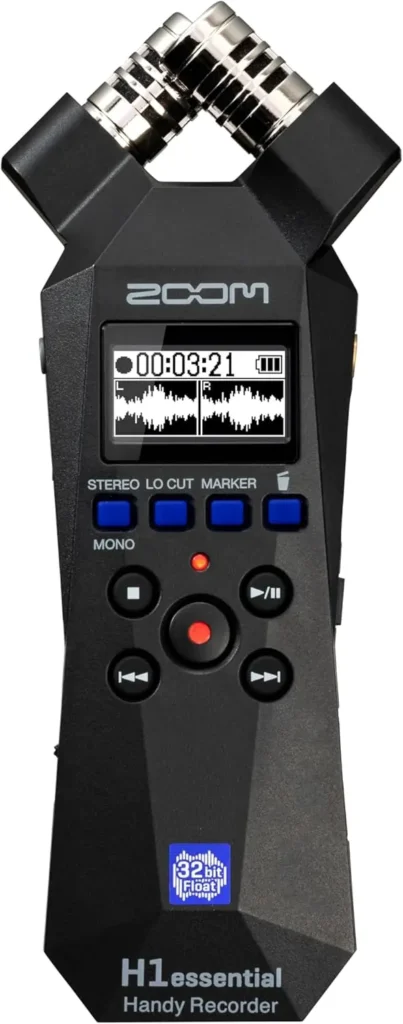
- Very compact for discreet recordings
- 32-bit float protects against clipping
- USB C as an interface on laptops or cell phones
- Easy operation for spontaneous rehearsals
- Built-in X Y microphone may pick up a lot of ambient noise
- No XLR inputs for external microphones
Røde Interview Pro

- Internal recording with 32-bit float
- Construction: Dynamic
- Polar Pattern: Omnidirectional
- USB-C connection
- Gain assist
- Internal battery
- 40 hours recording
Your result
Hollyland Lark A1
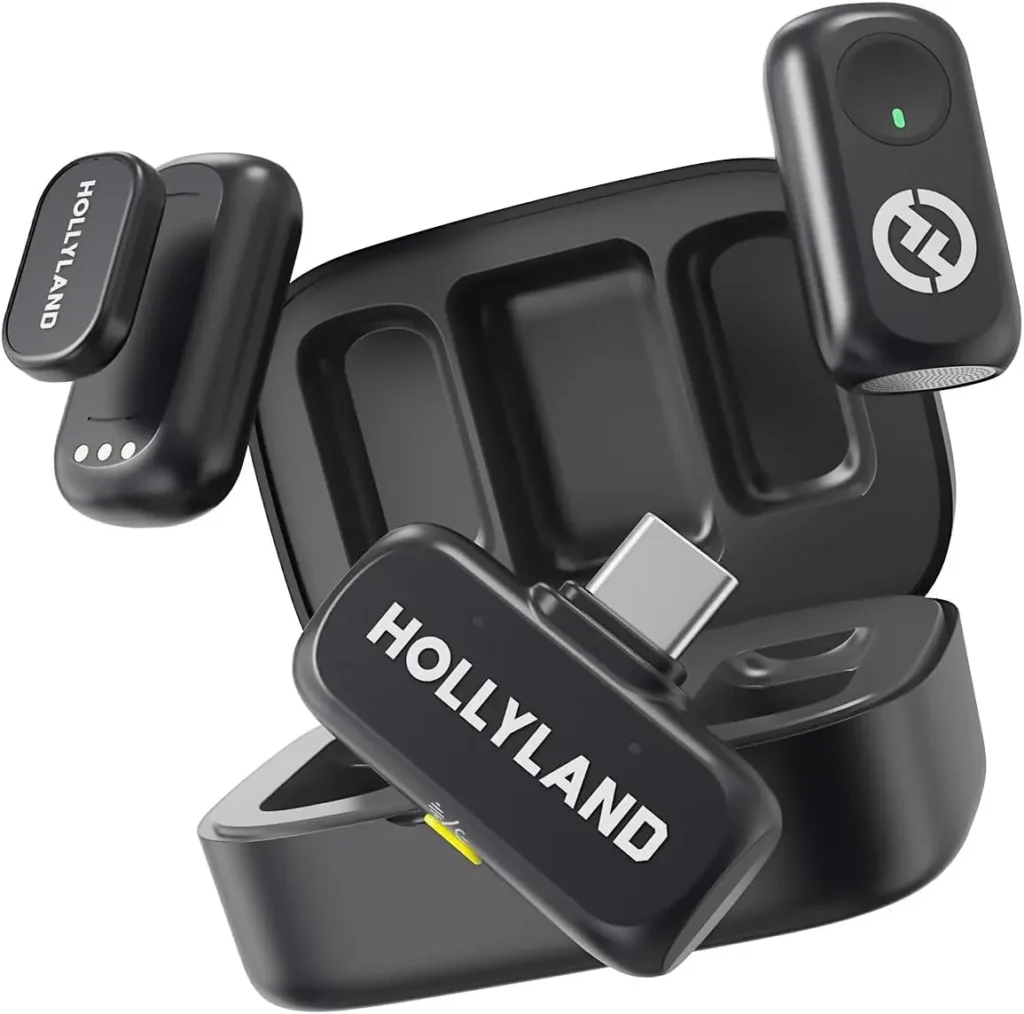
- USB C, Lightning, or combo
- cheaper version available without charging case
- noise cancelling
- no 3.5 mm input or output for camera
- no internal recording
- no timecode support
DJI Mic Mini
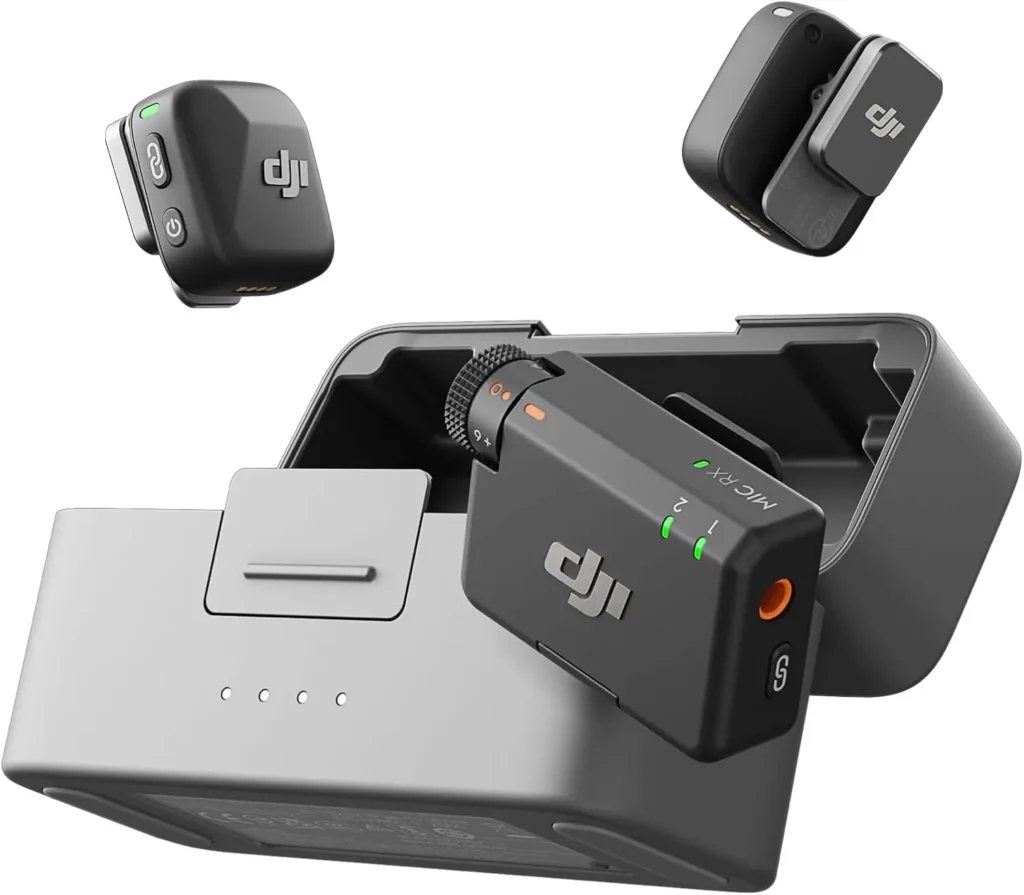
- USB-C
- Lightning adapter costs extra
- connect the transmitter to a smartphone via Bluetooth
- cheaper version: one transmitter one receiver
- noise cancelling
- 3.5 mm output for camera
- no internal recording
- no timecode support
Bestseller
Røde Wireless Mirco
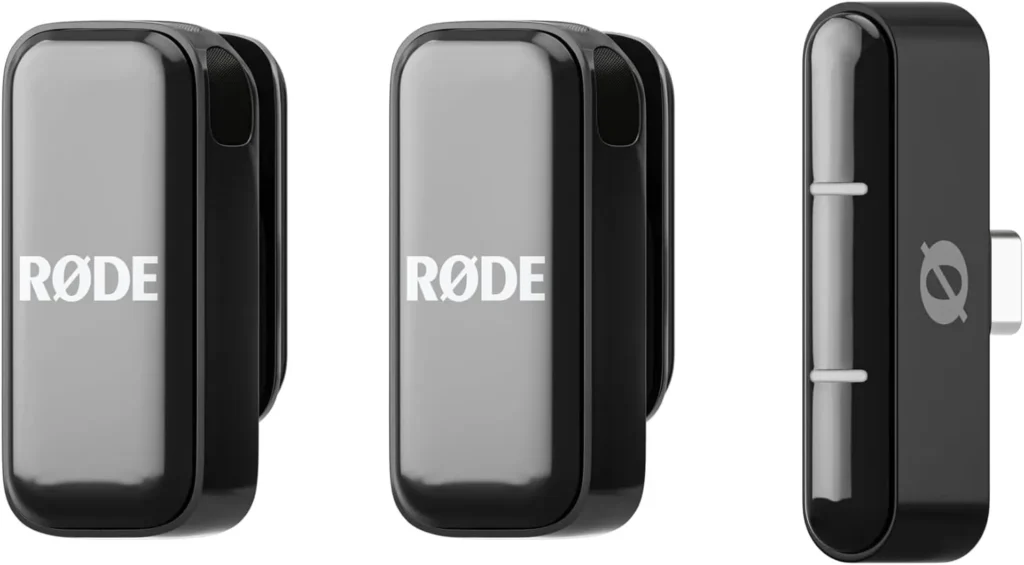
- USB C or Lightning
- connect the transmitter to a smartphone via Bluetooth
- Camera Adapter available to upgrade
- clear sound for a clip on
- no noise cancelling
- no internal recording
- no timecode support
Your result
Røde VideoMic Go II
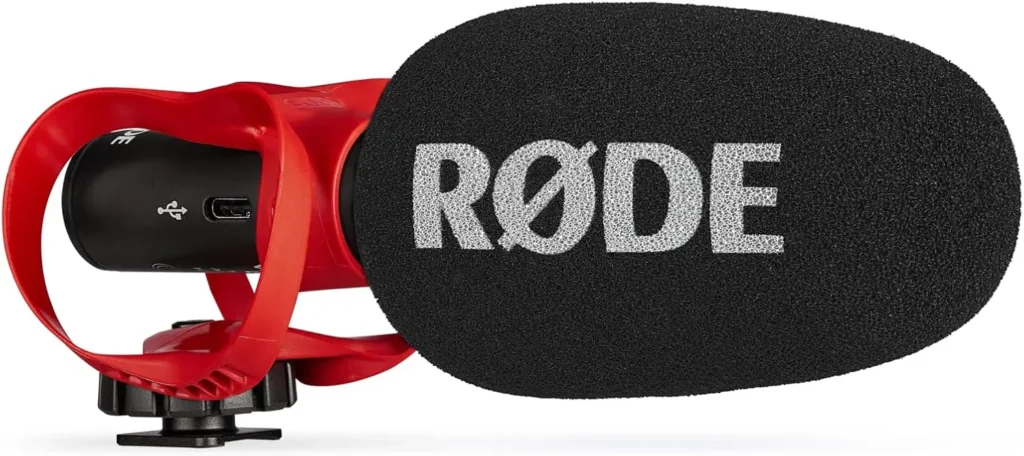
- 3.5 mm connection
- USB use possible, works with smartphones
- good mount and solid directivity
- good audio quality for the size
- fine settings mostly via the app
- no dedicated gain knob on the mic
Zoom M3 MicTrak
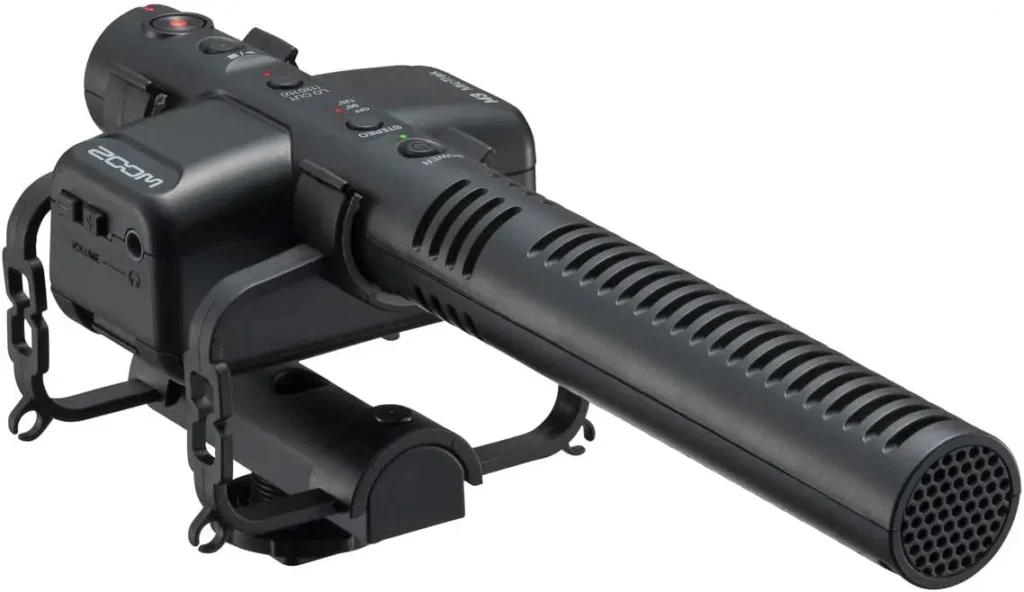
- 3.5 mm connection
- USB connection as an alternative
- stereo recording M/S with adjustable sides
- internal 32 bit float recording makes clipping almost impossible
- larger with the weight toward the front
- uses microSD and needs a little learning to operate
Røde VideoMic NTG
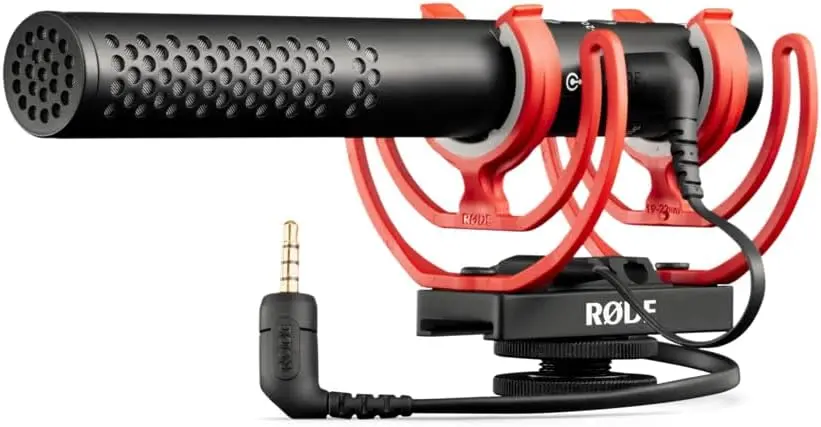
- 3.5 mm and USB C in one device
- variable gain dial and auto sensing output
- high pass filter pad and safety track
- very good audio quality with low self noise
- more features than many competitors
- priced at the upper end of this class
Your result
LyxPro CMG-50
Entry-Level
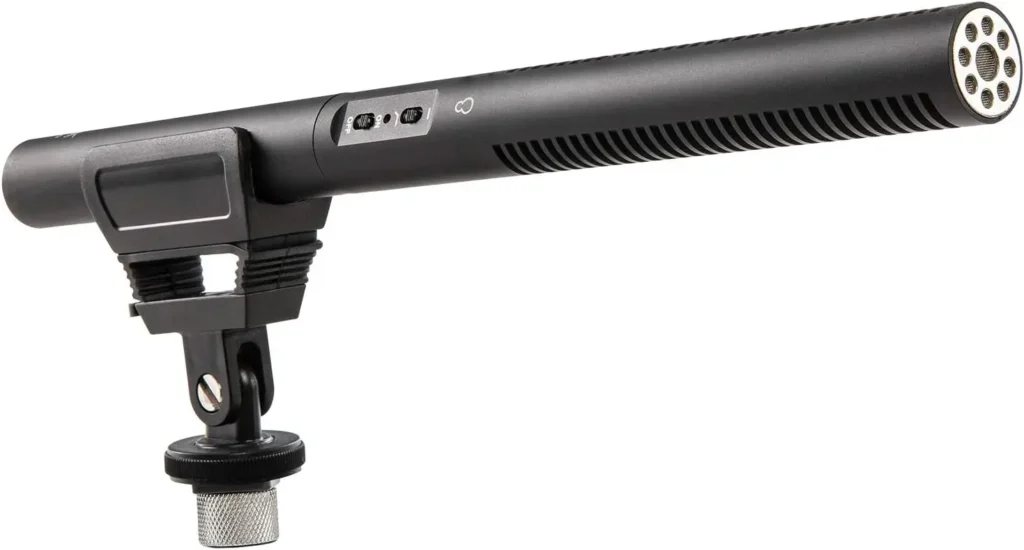
- true XLR shotgun at a very low price
- lightweight and easy to boom
- focused mids for basic dialog and stage spots
- includes simple shock mount and foam
- higher self noise and shorter effective reach
- more handling and wind sensitivity than branded options
Røde NTG2
Mid-Range

- runs on battery or phantom power
- solid directivity for sections and solos
- balanced tone that shapes well in the mix
- rugged housing, road ready
- higher self noise than studio class
- wind protection and shock isolation are a must
Sennheiser MKH 416
Studio
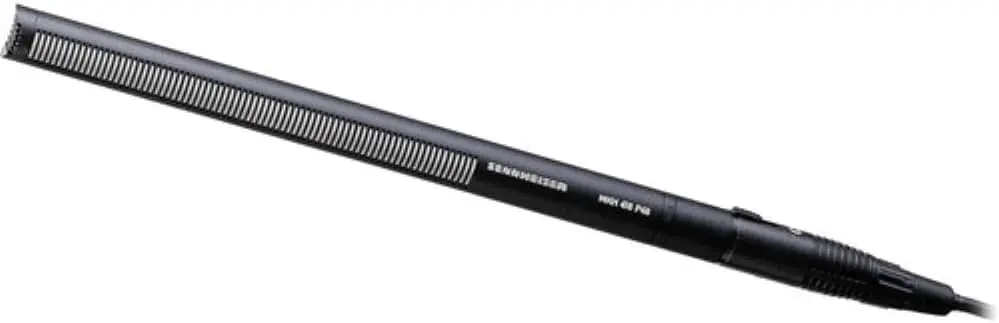
- very low self noise with strong reach
- tight pattern with good off axis control
- assertive tone that needs little EQ
- ideal for precise spots in loud halls
- significantly more expensive
- requires quality wind and shock mount accessories
Your result
LyxPro CMG-50
Entry-Level
- true XLR shotgun at a very low price
- lightweight and easy to boom
- focused mids for basic dialog and stage spots
- includes simple shock mount and foam
- higher self noise and shorter effective reach
- more handling and wind sensitivity than branded options
Røde NTG2
Mid-Range
- runs on battery or phantom power
- solid directivity for sections and solos
- balanced tone that shapes well in the mix
- rugged housing, road ready
- higher self noise than studio class
- wind protection and shock isolation are a must
Sennheiser MKH 416
Studio
- very low self noise with strong reach
- tight pattern with good off axis control
- assertive tone that needs little EQ
- ideal for precise spots in loud halls
- significantly more expensive
- requires quality wind and shock mount accessories
… too expensive? Check out the 3.5mm category to find more affordable alternatives.
Your result
DJI Mic Mini

- 3.5 mm output for camera
- USB-C
- connect transmitter to a smartphone via Bluetooth
- cheaper one transmitter one receiver variant
- noise cancelling
- no internal recording
- no timecode support
- Lightning adapter costs extra
Bestseller
Røde Wireless Mirco Camera

- 3.5 mm output for camera
- USB-C
- connect transmitter to a smartphone via Bluetooth
- camera adapter with display
- no noise cancelling
- no internal recording
- no timecode support
- no Lightning version
Your result
Maono DGM20 USB
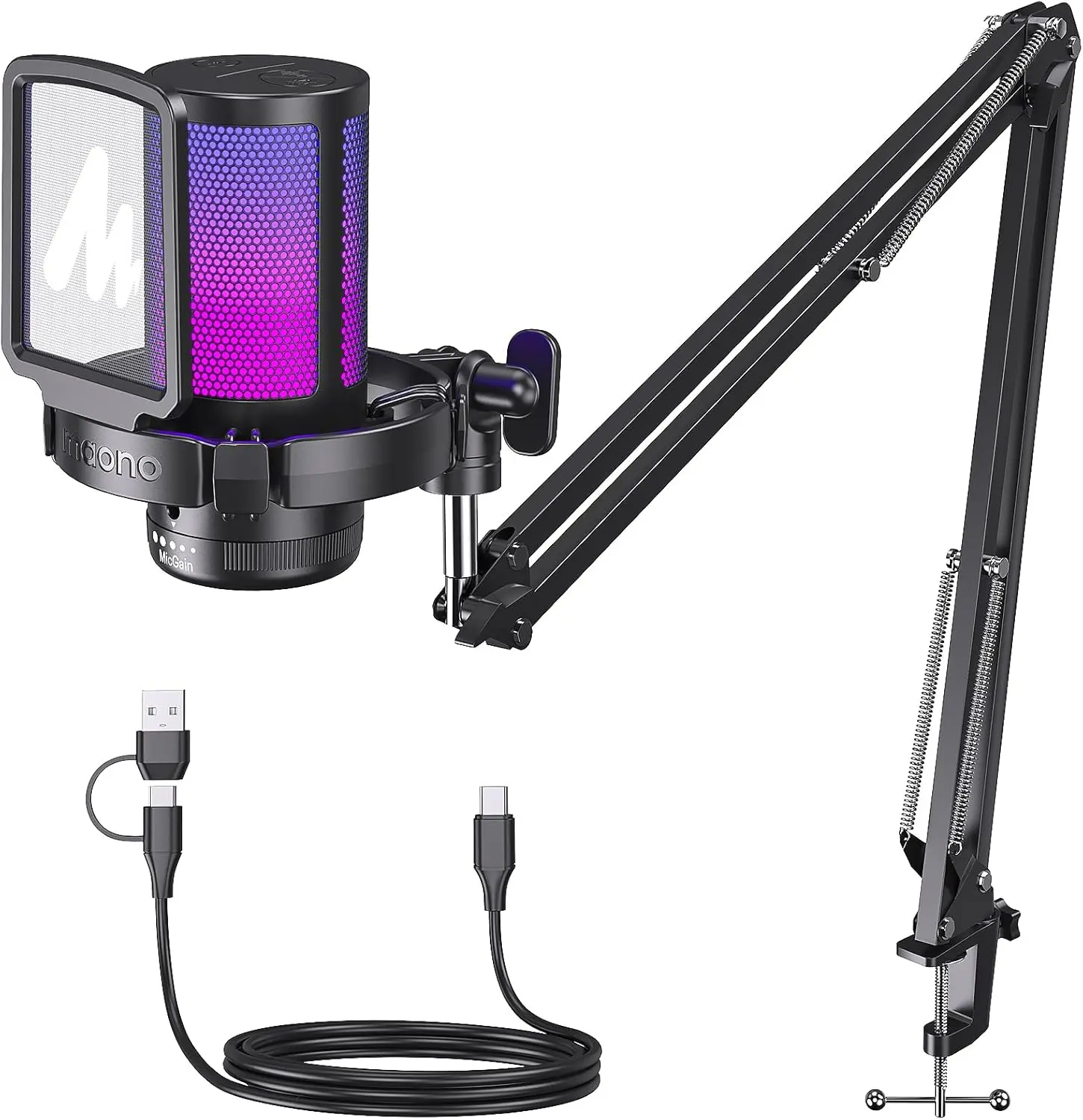
- USB-A and XLR
- boom arm included
- very affordable
- strong price to performance
- RGB lighting (in USB mode only)
- entry level model
- “chinaware” with limited warranty or support
Fifine AM8
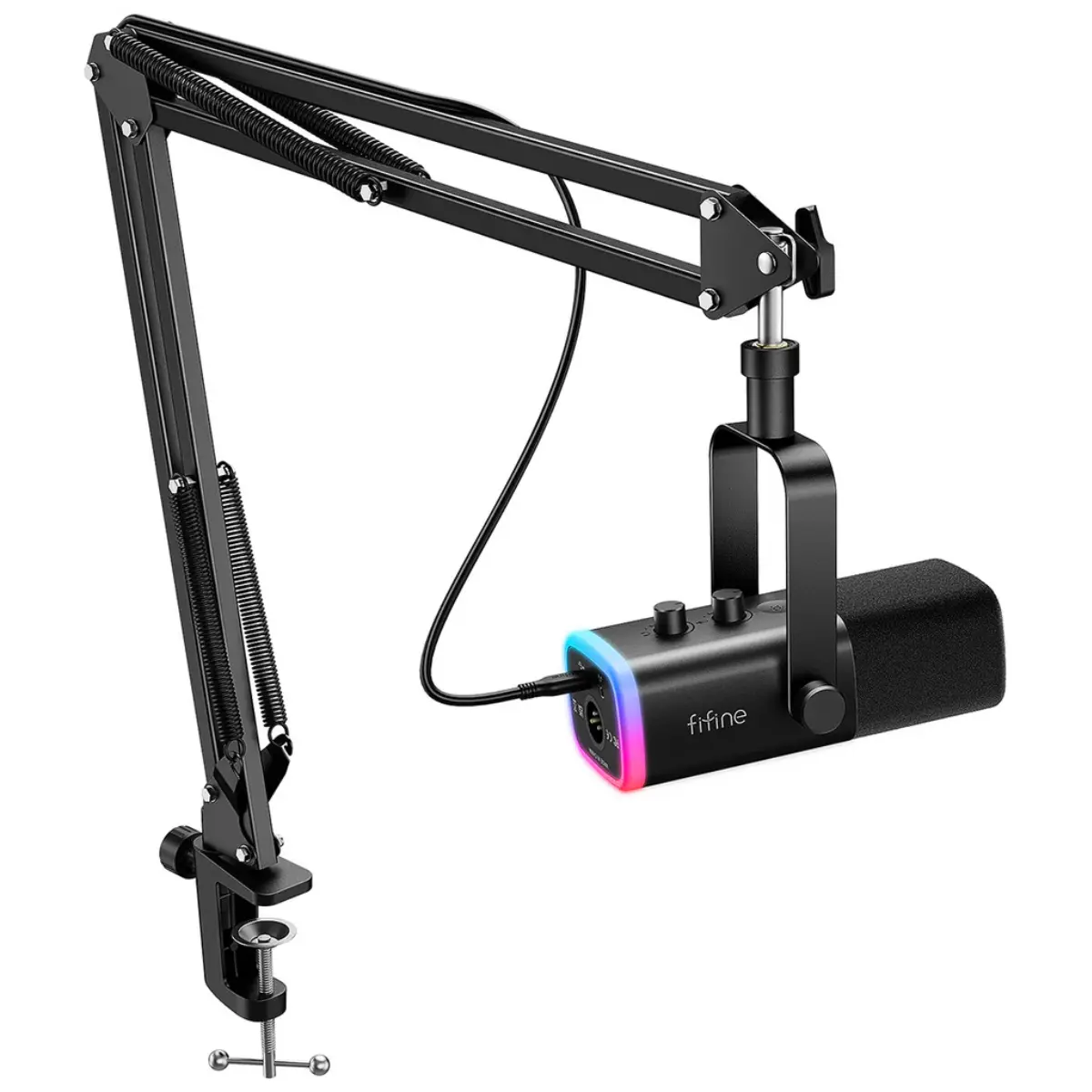
- USB-A and XLR
- boom arm included
- very affordable
- strong price to performance
- RGB lighting (in USB mode only)
- entry level model
- “chinaware” with limited warranty or support
Bestseller
Your result
Fifine AM8
- USB A and XLR
- boom arm included
- very affordable
- strong price to performance
- RGB lighting in USB mode only
- entry level model
- “chinaware” with limited warranty or support
Bestseller
Tonor TD510+
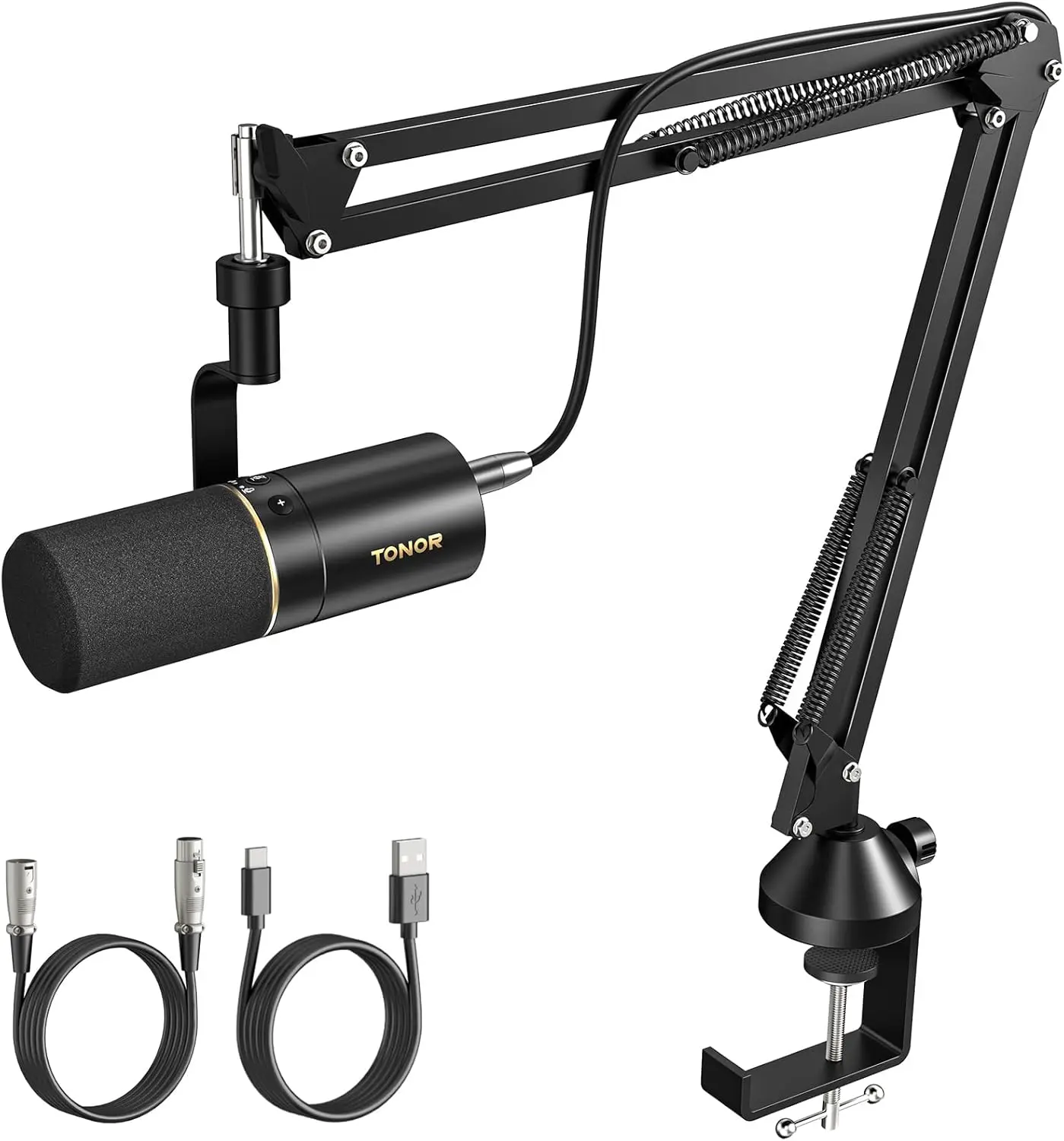
- USB C and XLR
- boom arm included
- RGB variant available
- very affordable
- strong price to performance
- entry level model
- “chinaware” with limited warranty or support
Your result
Beyerdnamic M70 Pro X

- clear articulation with natural top end
- integrated pop protection for plosives
- shock mount included, low handling noise
- solid build with low self noise
- needs a fair amount of gain
- prominent mids can highlight nasality
RØDE PodMic

- punchy radio style presence
- rugged body with internal pop and shock control
- tight cardioid with little room pickup
- consistent results at close range
- needs plenty of interface gain
- top end can get sharp on very bright voices
Bestseller
Elgato Wave DX
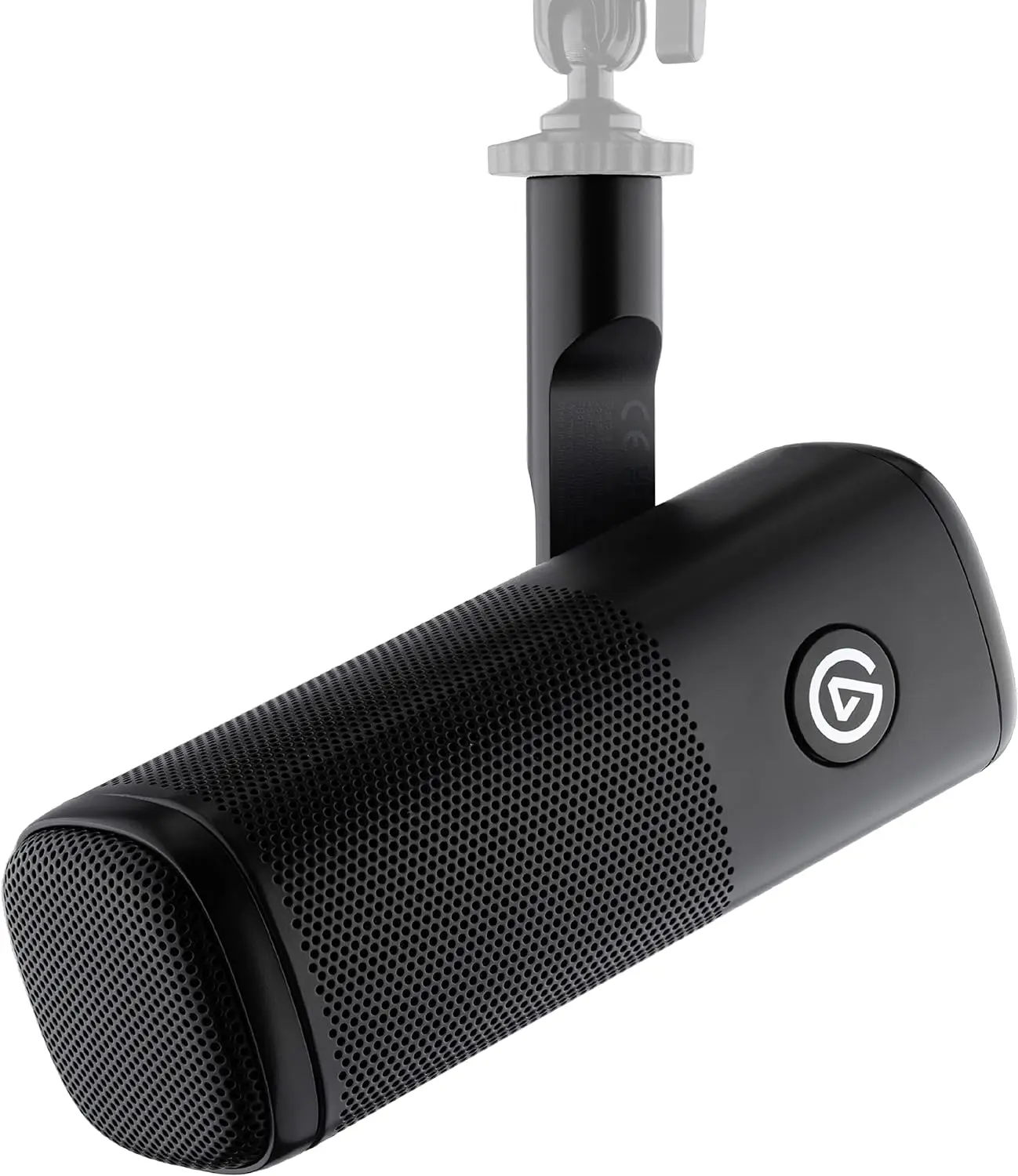
- warm mids with controlled sibilance
- friendly proximity effect that is easy to manage
- good off axis rejection in untreated rooms
- integrated pop mesh
- wants a clean preamp with healthy gain
- no built in shock mounting
Your result
Rode Procaster

- strong mids for a present voice
- tight cardioid with good room rejection
- integrated pop screen reduces plosives
- rugged body and very high SPL handling
- needs a lot of preamp gain
- no integrated shock mount
Shure MV7X
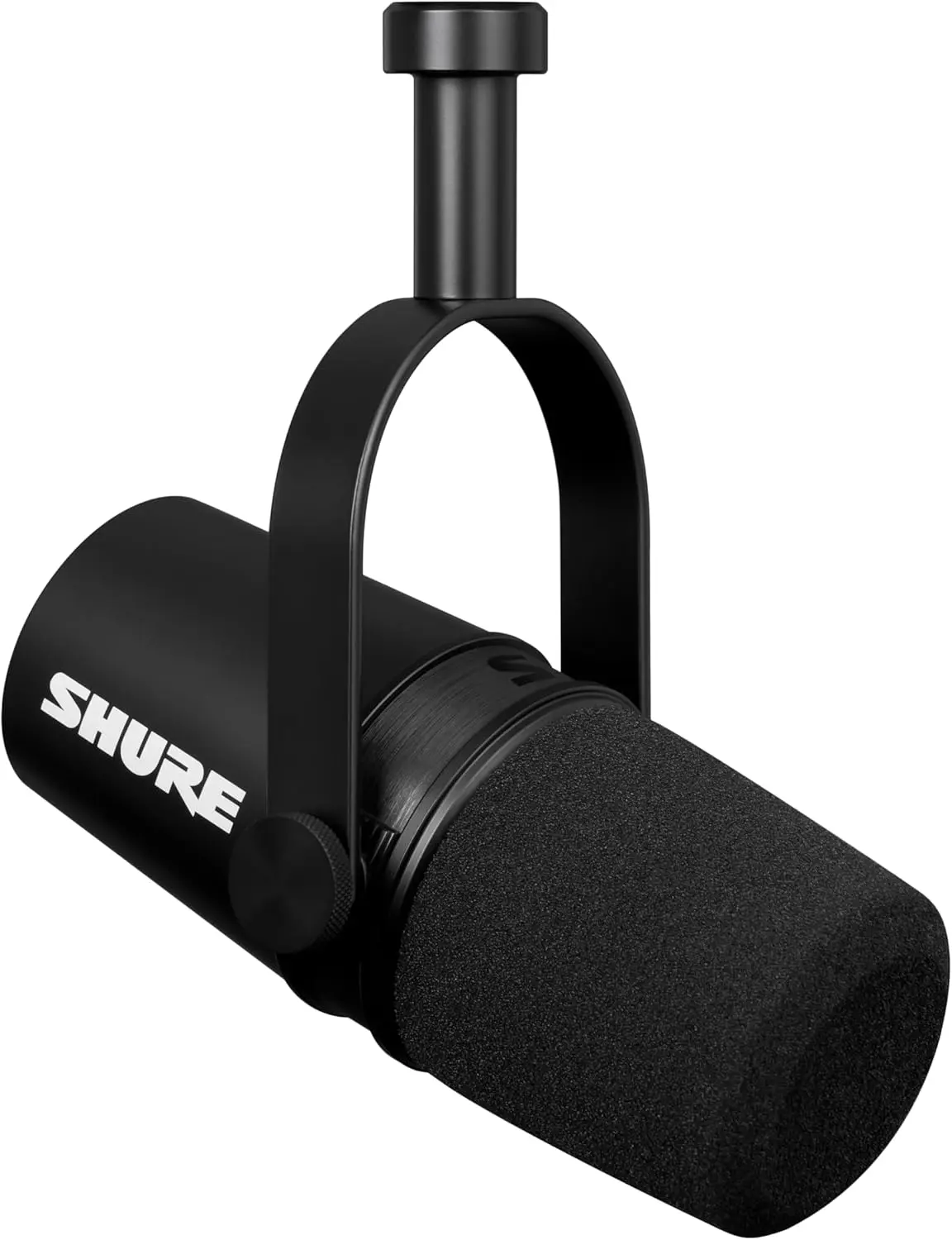
- clear presence with good cut
- solid off axis rejection in untreated rooms
- compact form factor for boom arms
- consistent results at close range
- XLR only sibling of the MV7 which adds USB
- requires noticeable interface gain and can sound bright on some voices
Shure SM7B

- very smooth tone with gentle sibilance
- excellent rejection of room and hum
- switches for presence boost and low cut
- handles high levels without distortion
- no preamp necessary as SM7dB
- extremely gain hungry, inline preamp often helpful
- heavy and large, sturdy mounting required
Bestseller
Neumann U87 AI
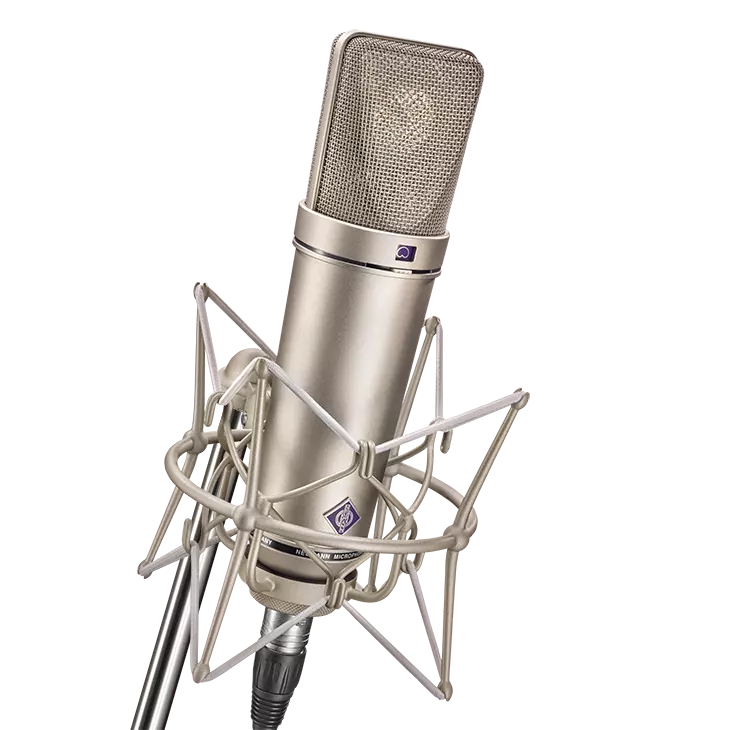
- high detail resolution and natural timbre
- very low self noise
- switchable polar patterns and low cut
- studio reference with a refined tone
- captures room strongly, good acoustics needed
- very expensive
Yes, we are including the U87 in this comparison. This is only because it is the absolute high-end studio classic for speech. It should be clear that a microphone like this can only reach its full potential in good studios and with good operation. For 99% of audio applications, the other microphones are sufficient.
Your result
Blue Microphones Yeti
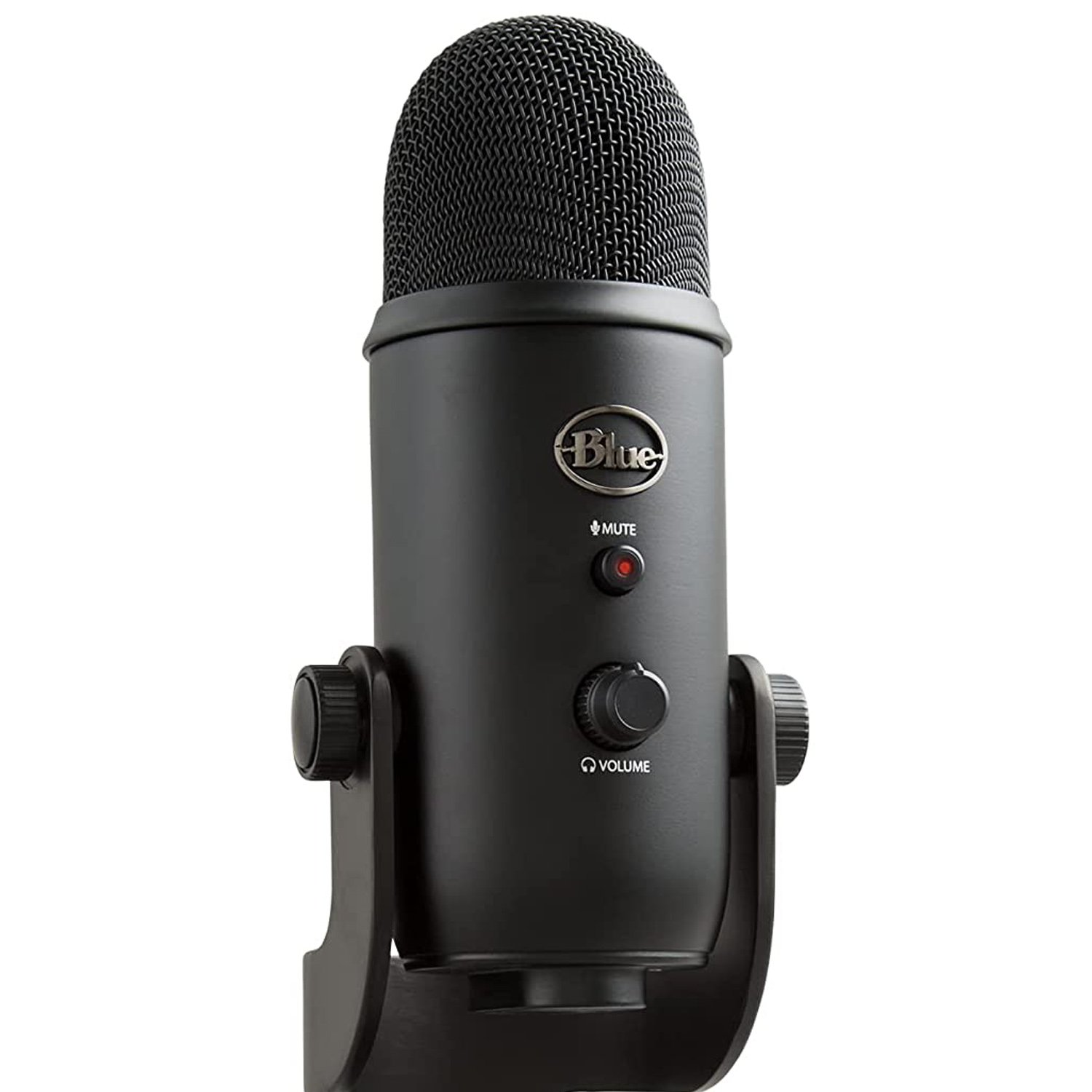
- USB-A connection
- stable desk stand
- long proven model
- good price to performance
- headphone output
- a bit dated
- essentially unchanged since 2009
Elgato Wave Neo

- USB A connection
- USB C also works with smartphones
- integrated pop filter
- design first, sound second
- stand is not very stable
- price to performance only okay
Røde NT-USB Mini
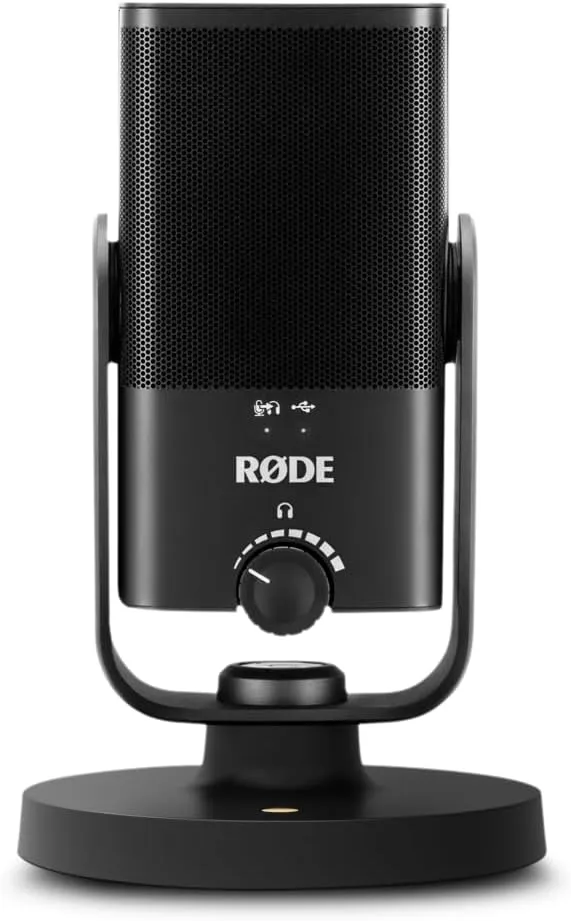
- USB A connection
- USB C also works with smartphones
- desk stand and integrated pop filter
- good price to performance
- usable long term
- headphone output
- still a semi professional sound
Bestseller
Your result
Shure MV6

- USB C connection
- very solid desk stand
- extremely rugged build
- good price to performance
- headphone output
- if you want the SM7B style sound, the MV7+ gets you closer
- tone can be a bit boxy
Elgato Wave:3
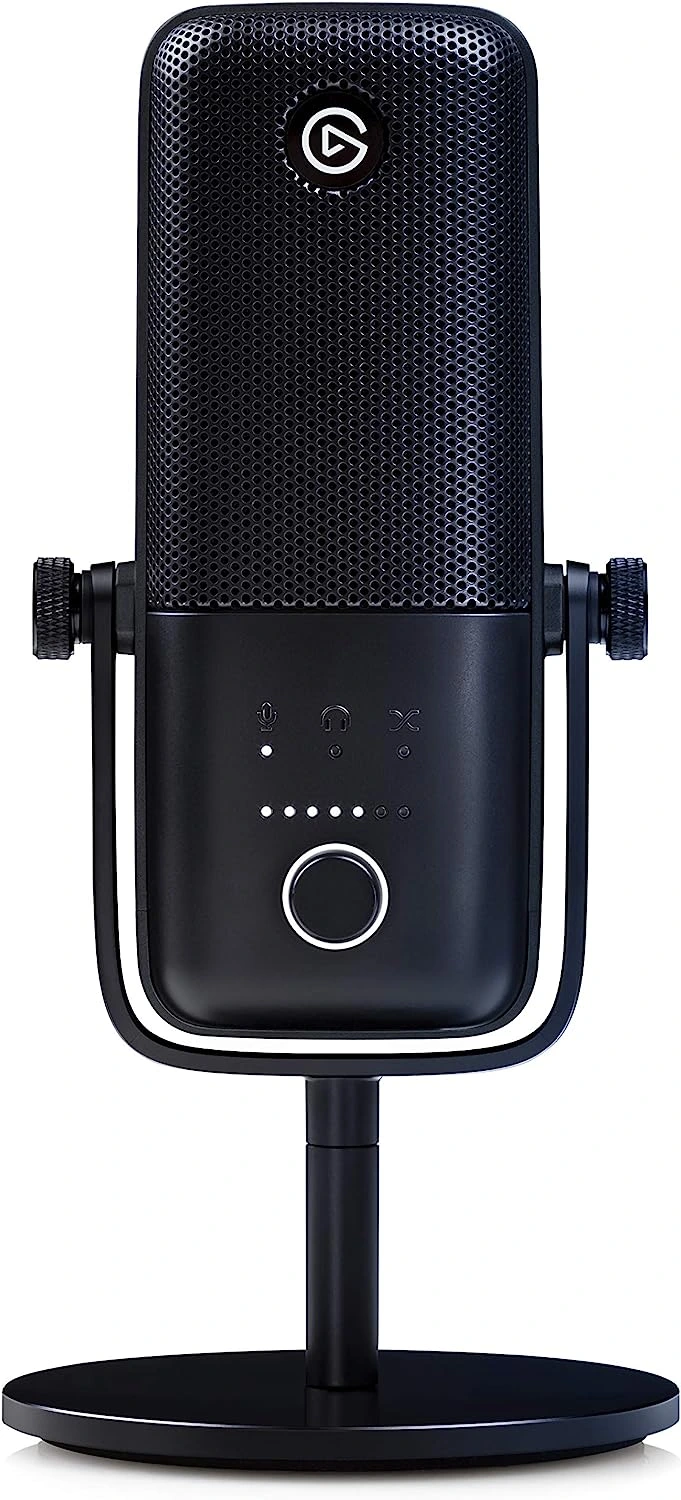
- USB-A connection
- USB C also works with smartphones
- desk stand and integrated pop filter
- very good price to performance
- stable body
- headphone output
- Elgato software can be fiddly
Røde PodMic USB

- USB A and XLR in one mic
- USB C also works with smartphones
- integrated pop filter
- very good price to performance
- usable long term, not just entry level
- headphone output
- needs a boom arm or stand
Røde NT-USB Plus
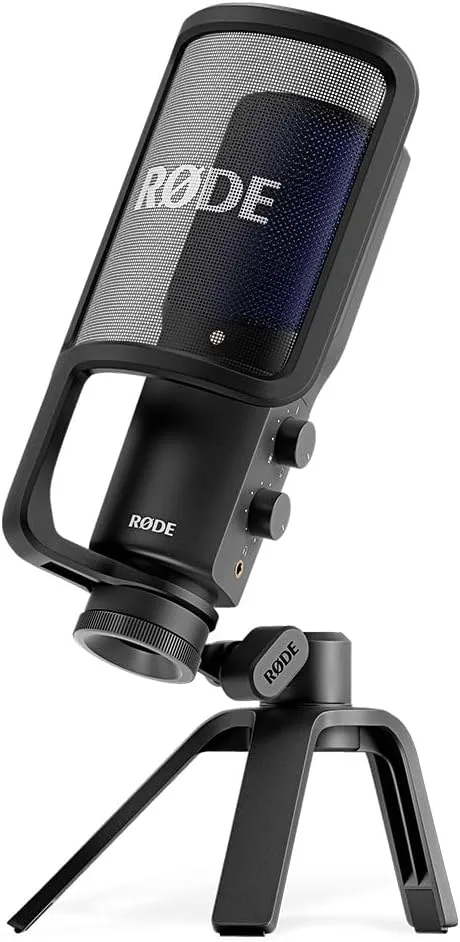
- USB A connection
- USB C also works with smartphones
- desk stand and integrated pop filter
- extremely good price to performance
- usable long term, not just entry level
- headphone output
- bestseller for a reason
Bestseller
Your result
Røde NT1 5th Gen
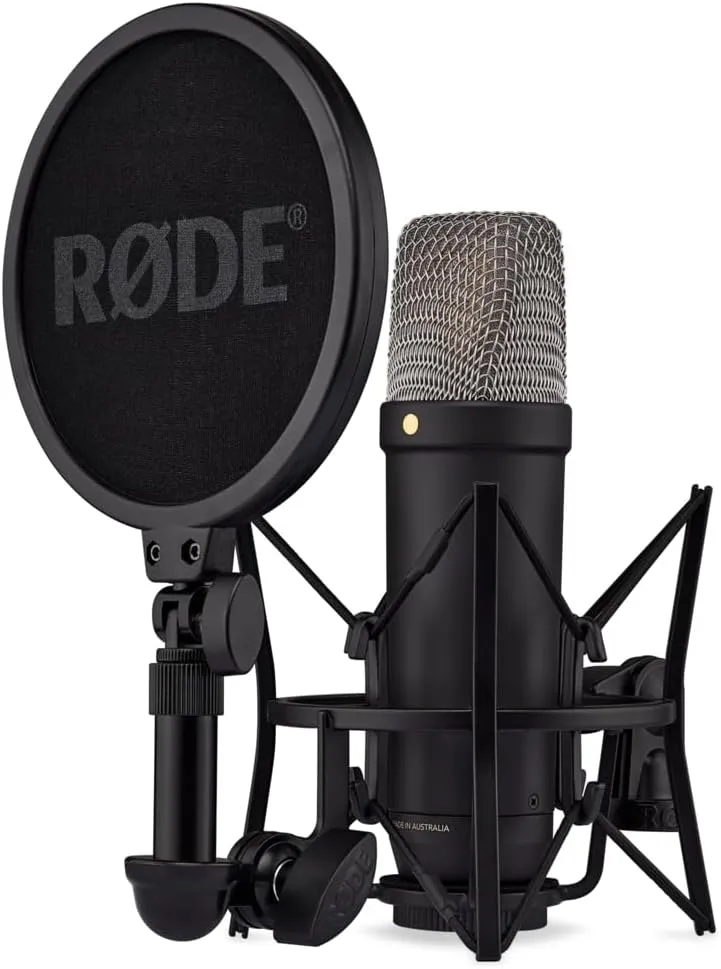
- USB C connection
- works with smartphones via USB C
- includes shock mount and pop filter
- pro level sound for speech vocals and instruments
- very good price to performance
- XLR connection available as an alternative
- requires a mic stand
Shure MV7+
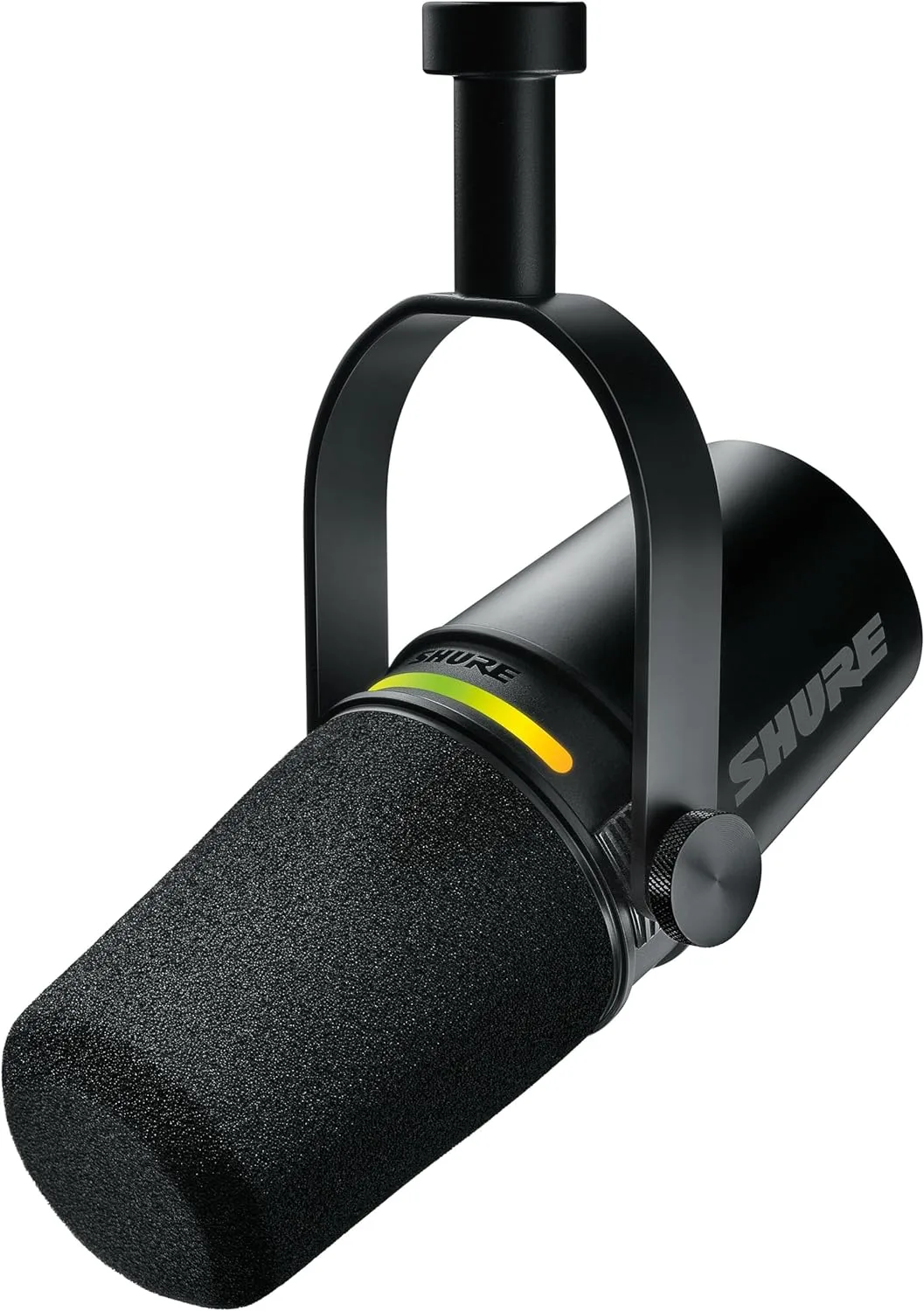
- USB A connection
- USB C also works with smartphones
- desk stand and integrated pop filter
- good price to performance
- suitable long term not just entry level
- headphone output
- PodMic USB delivers almost the same for a lower price
Bestseller
Your result
Comica CVM-V30
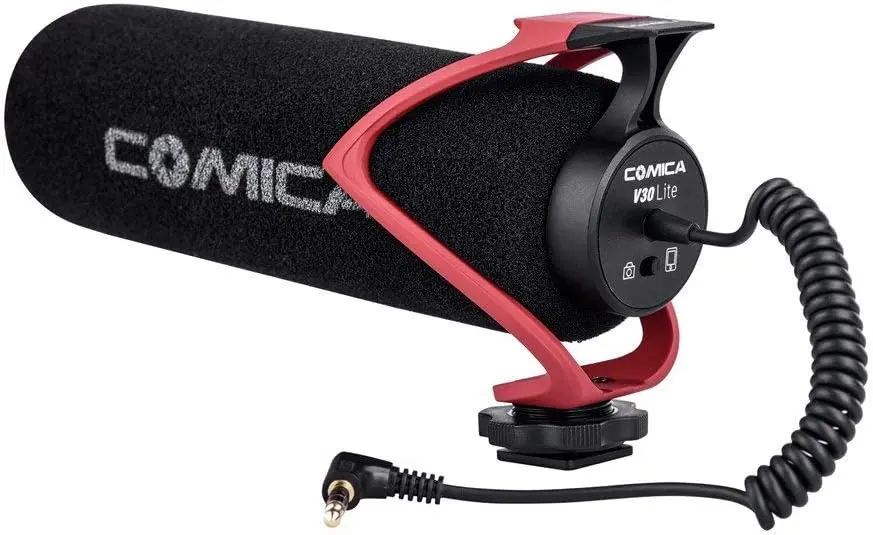
- 3.5 mm connection
- very affordable entry level option
- decent midrange tone
- more handling noise transmitted through the mount
- fixed non replaceable cable
- simpler build quality than pricier options
Røde VideoMicro II

- 3,5mm connection
- solid mount with low handling noise
- no battery required, ready to use
- light and compact
- very few controls on the microphone
- entry level Røde model with the weakest sound in the lineup
Your result
Hollyland Lark M2
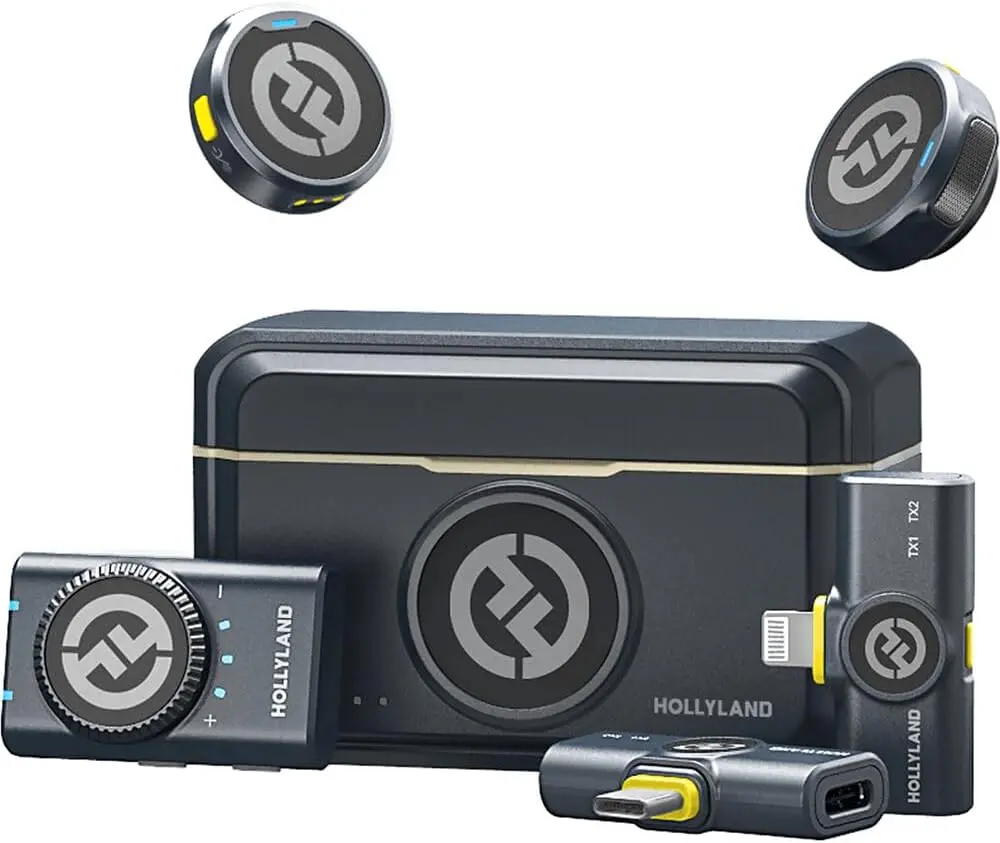
- USB C and Lightning
- cheaper smartphone only variant available
- noise cancelling
- 3.5 mm output for camera
- no internal recording
- no timecode support
- no 3.5 mm input for an external microphone
Fulaim X5M
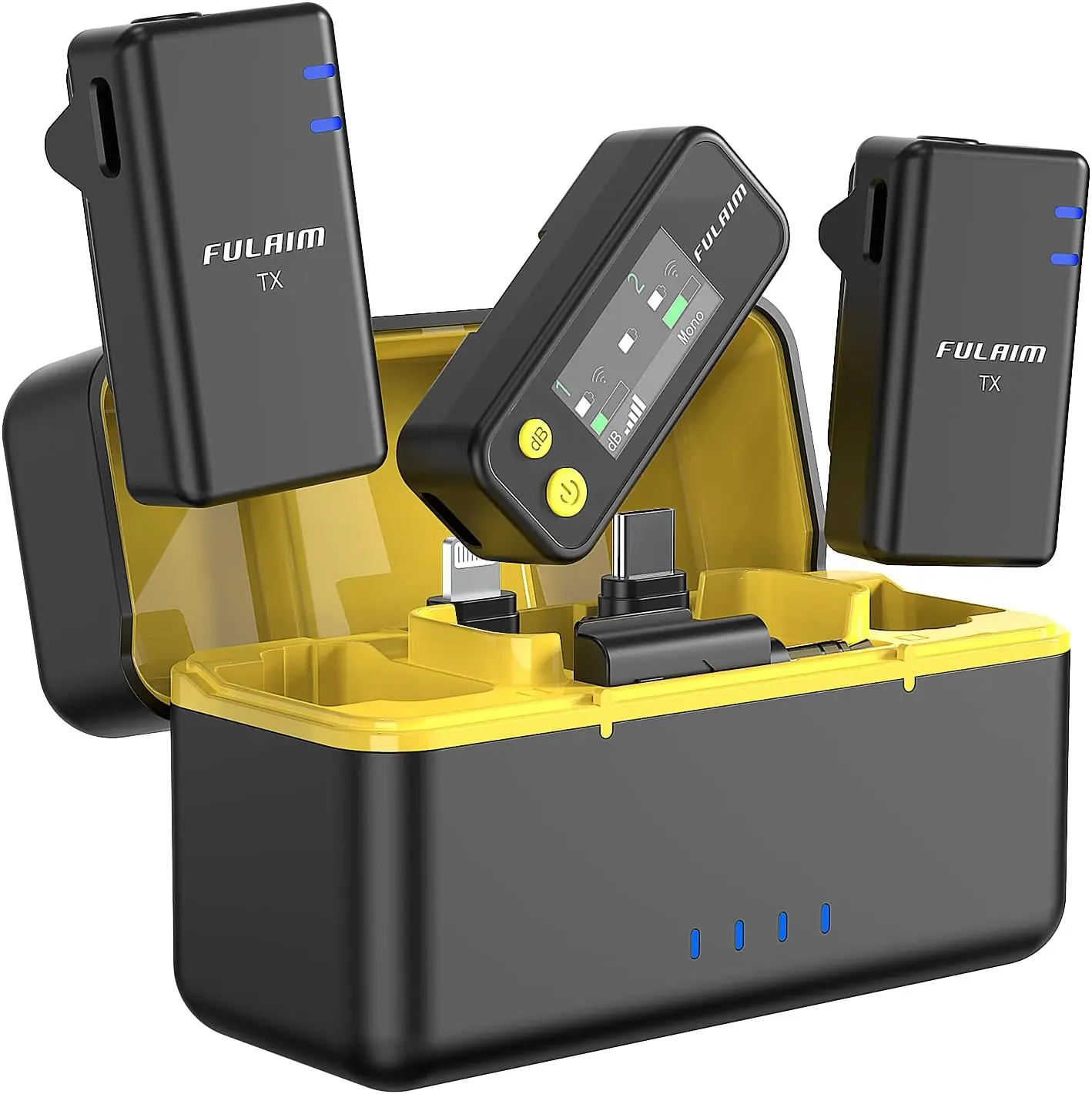
- USB C and Lightning
- 3.5 mm input for an external microphone
- internal recording
- receiver has a display
- 3.5 mm output for camera
- no noise cancelling
- no timecode support
DJI Mic 2
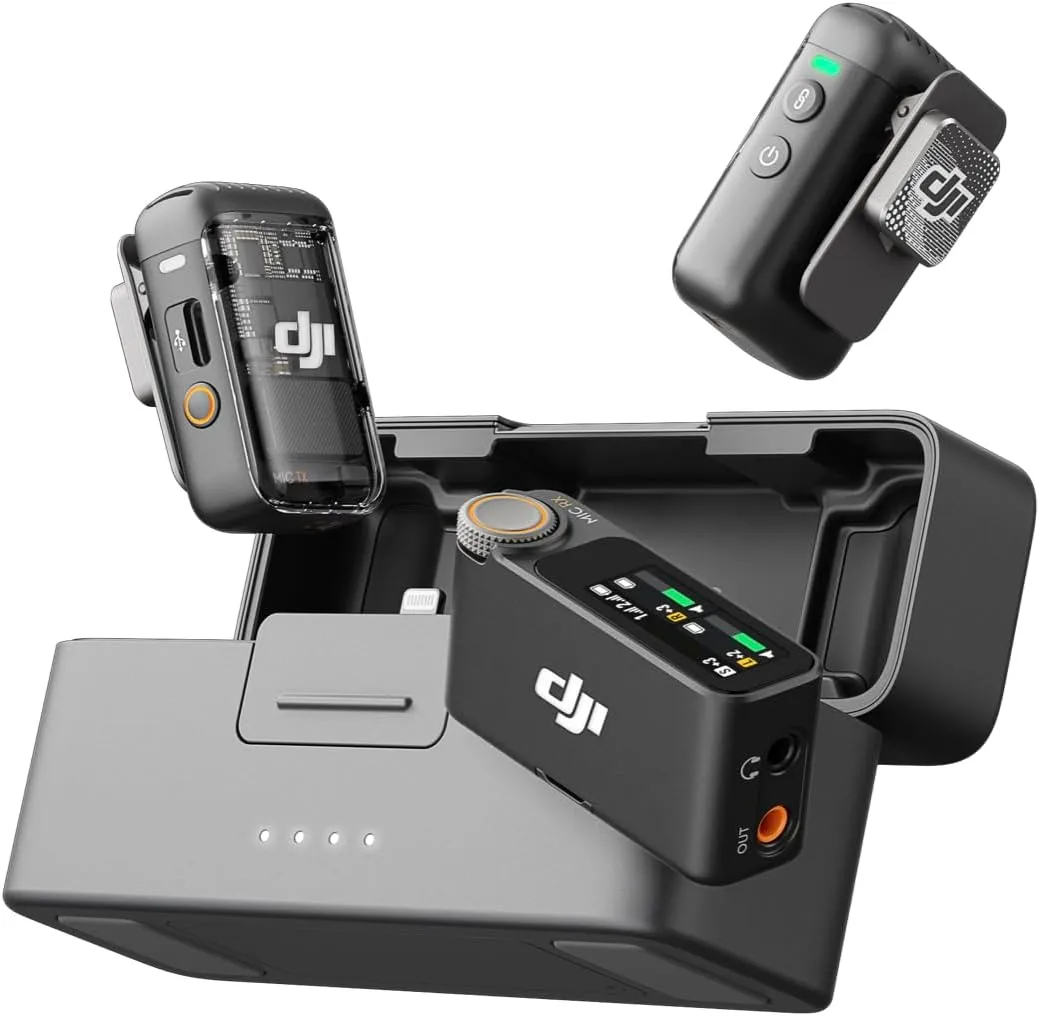
- USB-C
- Lightning adapter costs extra
- noise cancelling
- internal recording
- 3.5 mm input for an external microphone
- 3.5 mm output for camera
- no timecode support
Bestseller
Your result
Hollyland Lark M2
- 3.5 mm output for camera
- USB C and Lightning
- cheaper camera only variant available
- noise cancelling
- no internal recording
- no timecode support
- no 3.5 mm input for an external microphone
Fulaim X5M
- 3.5 mm output for camera
- USB C and Lightning
- 3.5 mm input for an external microphone
- internal recording
- receiver has a display for camera use
- no noise cancelling
- no timecode support
DJI Mic 2
- 3.5 mm output for camera
- USB-C
- noise cancelling
- internal recording
- 3.5 mm input for an external microphone
- Lightning adapter costs extra
- no timecode support
Bestseller
Your result
Hollyland Lark Max 2
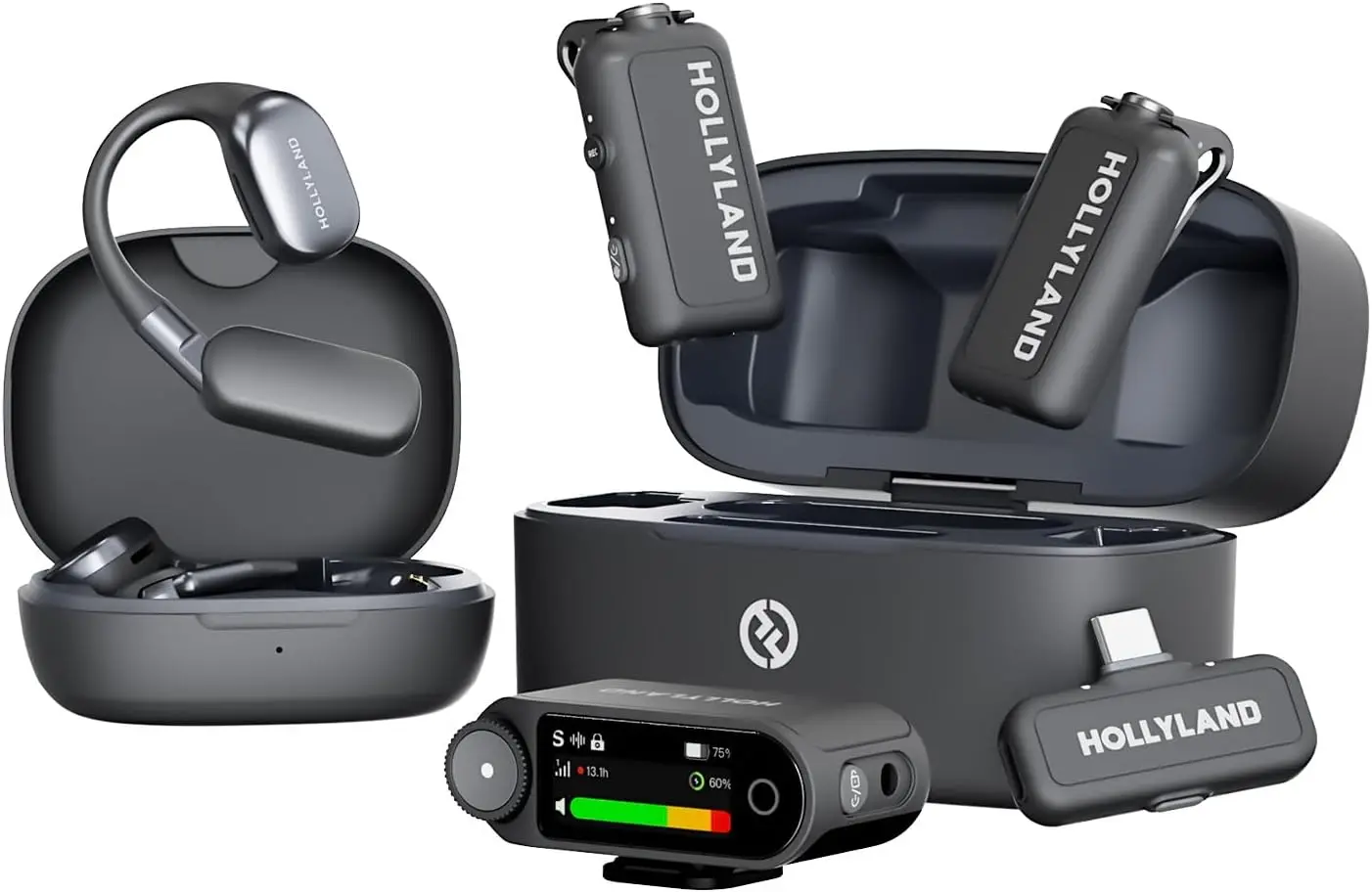
- 3,5mm output for camera
- USB-C and Lightning
- Timecode support (not extern)
- Noise cancelling
- internal recording (32-Bit-float)
- Direct monitoring is not high quality
DJI Mic 3

- 3.5 mm output for camera
- USB-C
- Lightning adapter costs extra
- Noise cancelling
- internal recording 32 bit float
- timecode support also external
- no 3.5 mm input for external microphone
Bestseller
Røde Wireless Pro

- 3.5 mm output for camera
- USB C and Lightning
- timecode support not external
- internal recording 32 bit float
- 3.5 mm input for external microphone
- no noise cancelling
- bigger microphones
Your result
Hollyland Lark Max 2
- USB-C and Lightning
- Timecode support (not extern)
- Noise cancelling
- internal recording (32-Bit-float)
- 3,5mm output for camera
- Direct monitoring is not high quality
DJI Mic 3
- USB-C
- Lightning adapter costs extra
- Noise cancelling
- internal recording 32 bit float
- timecode support also external
- 3.5 mm output for camera
- no 3.5 mm input for external microphone
Bestseller
Røde Wireless Pro
- USB C and Lightning
- timecode support not external
- internal recording 32 bit float
- 3.5 mm input for external microphone
- 3.5 mm output for camera
- no noise cancelling
- bigger microphones
Your result
CAD Stage7
Entry-Level
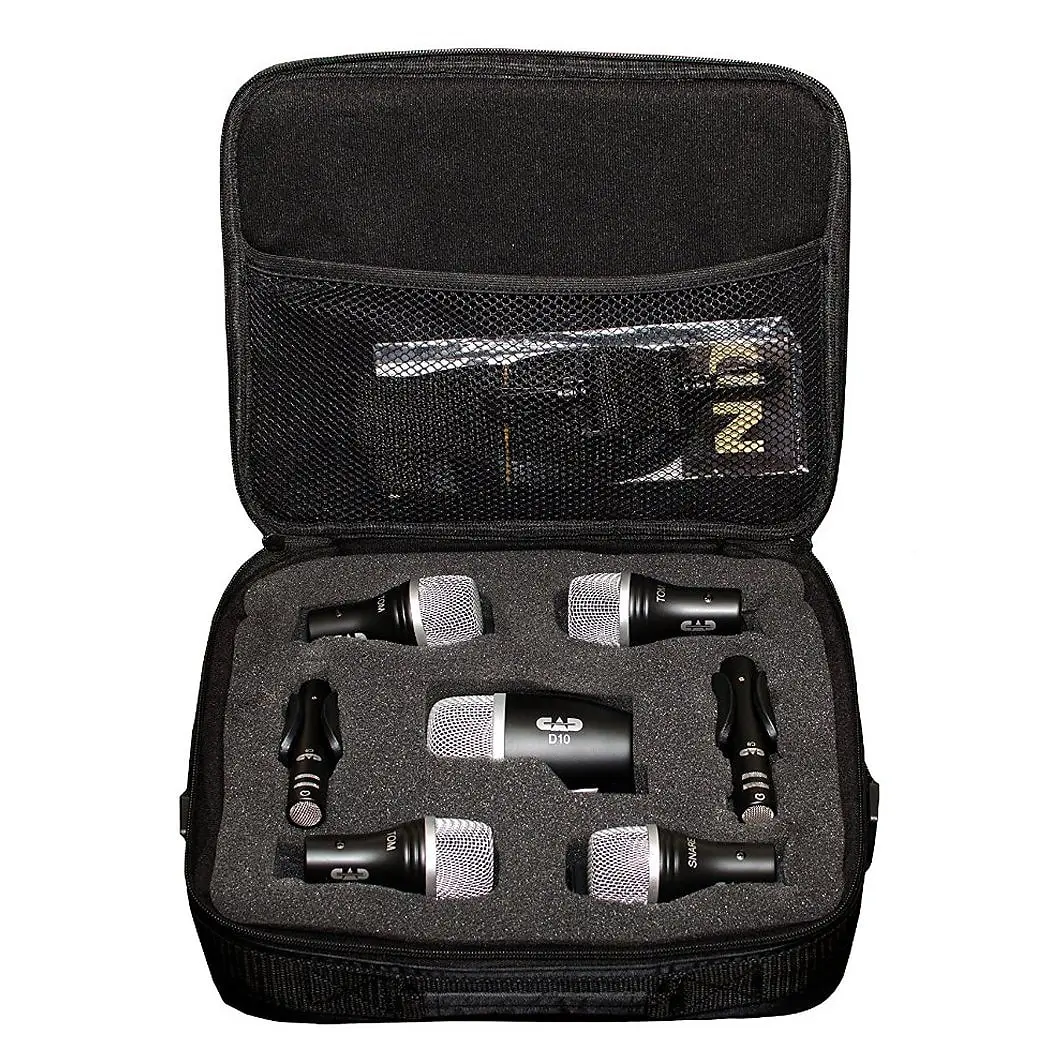
- solid budget set with kick, snare, three tom mics and two overheads
- tighter sound than ultra budget kits
- metal bodies and usable clips
- good value for small venues and rehearsal spaces
- overheads are bright and can be splashy
- less low end weight than midrange kits
AKG Drum Set Session I
Mid-Range
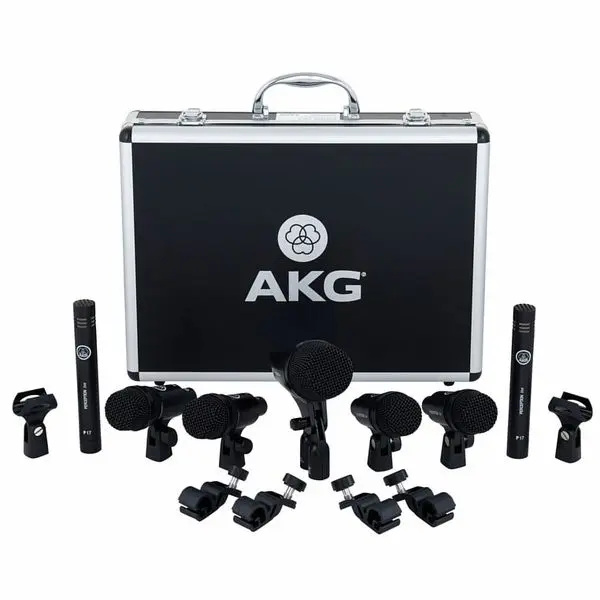
- balanced kit with useful mic choices
- robust build and reliable mounts
- solid core sound without heavy EQ
- overheads are on the bright side
- less deep low end than higher tiers
- not as flexible to upgrade piece by piece
Audix DP7 Drumkoffer
Studio
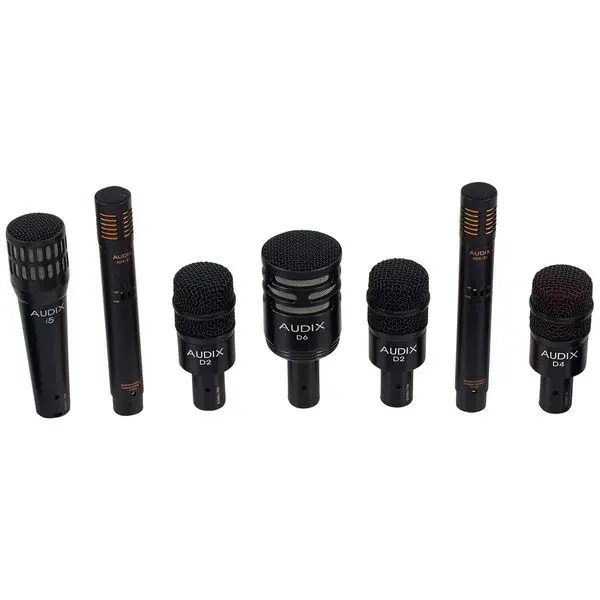
- proven combo with D6 kick and i5 snare
- very punchy, mix ready sound
- high quality clamps and hard case
- long term investment
- clearly more expensive than midrange kits
- overheads are focused, room mics often helpful
Your result
Sennheiser e604
Entry-Level
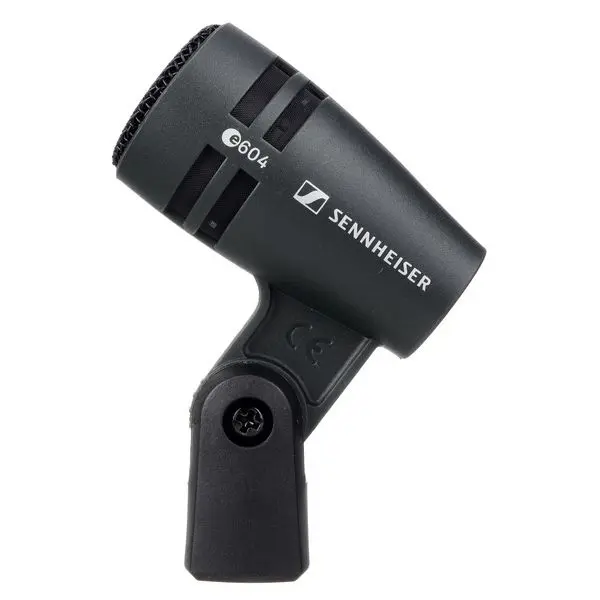
- sehr kompakt am Tom
- stabiler Rim Clip
- knackige Mitten für Attack
- hohe Pegelfestigkeit
- weniger Tiefbass am Floortom
- braucht sehr nahes Placement
Audix D4
Mid-Range
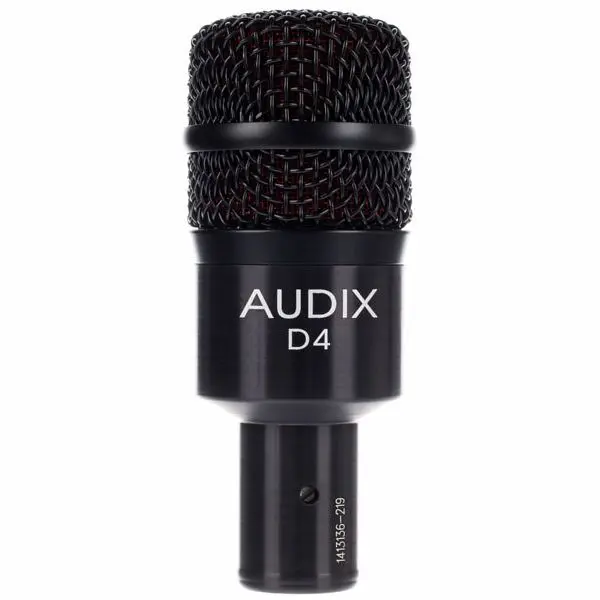
- tiefer Bass, ideal für Floor Toms
- schnelle Transienten
- gute Off Axis Dämpfung
- robustes Metallgehäuse
- enger Sweet Spot, Position kritisch
- teurer als e604
Sennheiser E 904
Studio
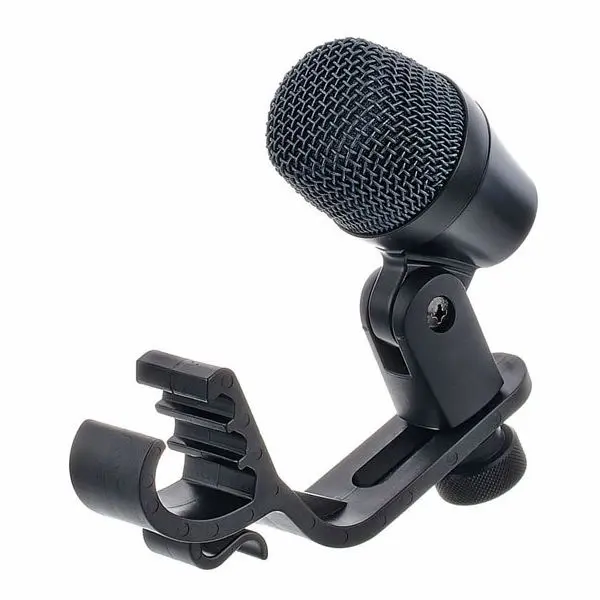
- kompakt mit Rim Clip
- ausgewogener Tom Sound
- bessere Detailauflösung als e604
- hohe Pegelfestigkeit
- teurer als e604
- weniger Sub als D4
Your result
Røde NT1
Entry-Level
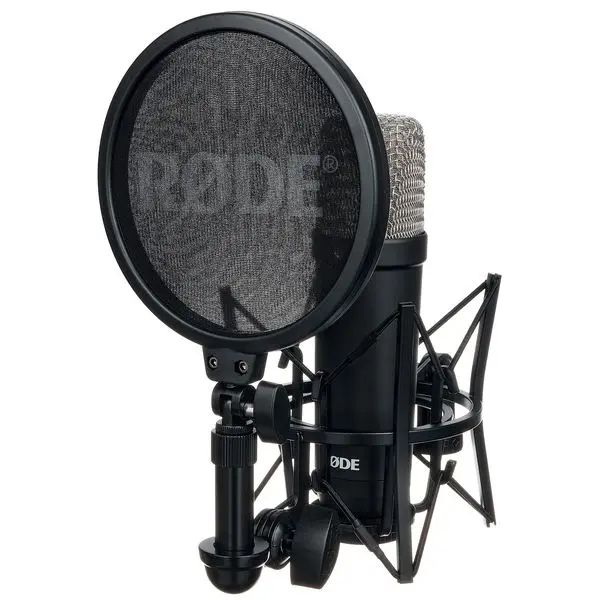
- very low self noise for fine detail
- quick transients capture quiet percussion well
- neutral mids that take EQ nicely
- high SPL headroom for louder playing
- fairly wide cardioid, picks up more room
- modest character, often needs a bit of EQ for attack
AKG C214
Mid-Range
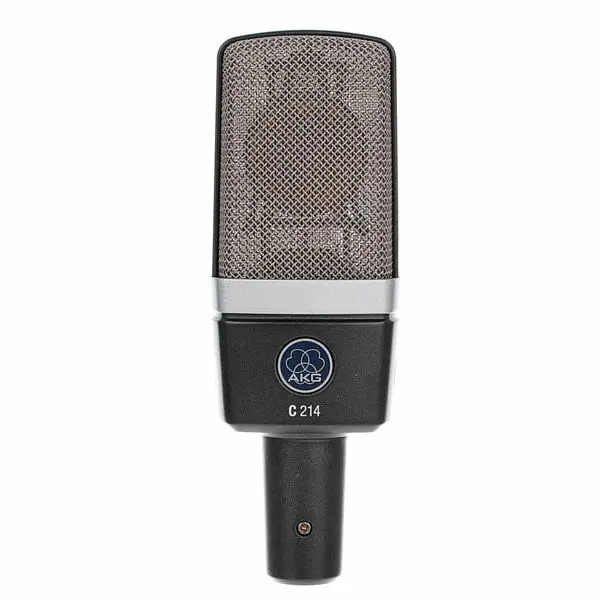
- present top end for clear attack
- pad and high pass make close miking easier
- robust build for rehearsal and stage
- focused imaging for congas and shakers
- can get sharp on hard cymbal content
- cardioid only, less flexible in tricky rooms
AKG C414 XLS
Studio
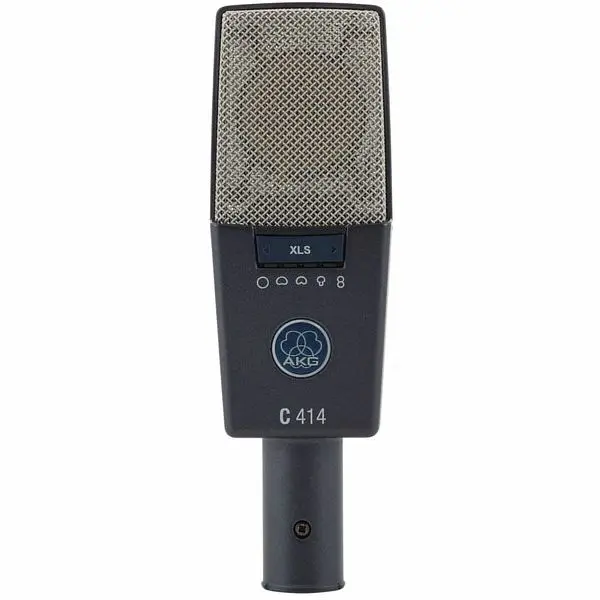
- switchable polar patterns for room or close work
- very low self noise and high SPL capability
- pads and high passes enable flexible setups
- strong depth and natural room rendering
- placement is involved and room sensitive
- expensive, the extra headroom is not always needed for simple percussion
Your result
Lewitt LCT 140 AIR
Entry-Level
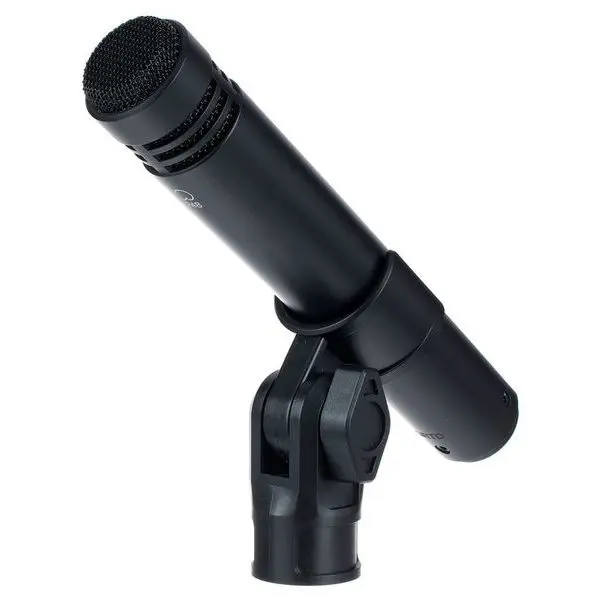
- two voicings, Flat and Air
- strong price to performance
- pad and high pass available
- fast transients for clean articulation
- on the bright side in Air mode
- less depth layering than higher priced classics
sE Electronics sE8
Mid-Range
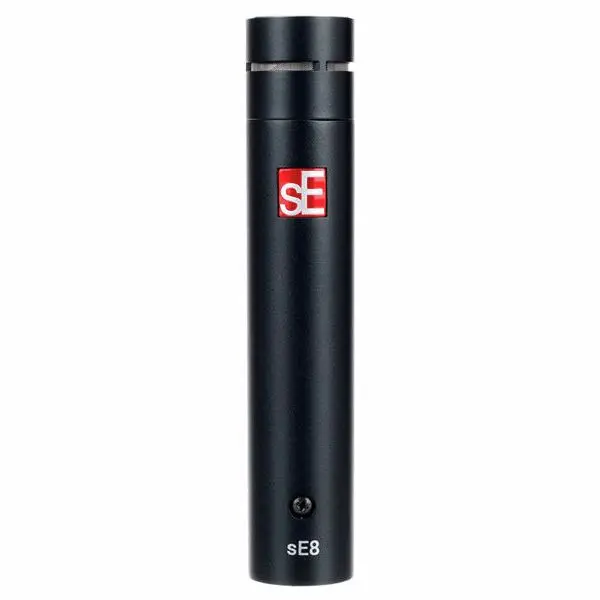
- pad and high pass in multiple steps
- very low self noise
- balanced highs, less sharp
- good off axis response for stereo techniques
- more expensive than the LCT 140
- can feel a bit plain in very dry rooms
Neumann KM184
Studio
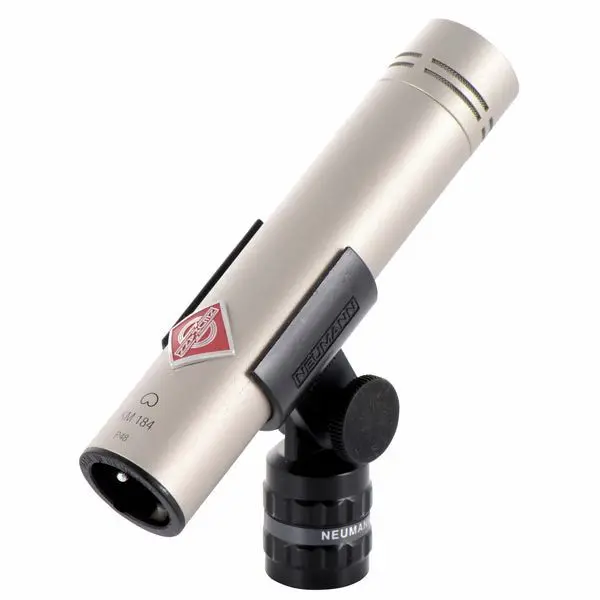
- very detailed with fast transients
- low self noise and consistent quality
- established stereo choice for ORTF and XY
- cuts through a mix well
- costs significantly more
- presence lift can accentuate harsh steel strings
Your result
Lewitt LCT 140 AIR
Entry-Level
- two voicings, Flat and Air
- strong price to performance
- pad and high pass available
- fast transients for clean articulation
- on the bright side in Air mode
- less depth layering than higher priced classics
SE Electronics SE8
Mid-Range
- very low self noise
- fast transients with clear bow articulation
- pad and high pass
- natural highs without harshness
- needs a well treated room
- less characterful than a KM 184
Neumann KM 184
Studio
- excellent detail resolution
- cuts through an ensemble well
- studio standard for lots of instruments
- low noise floor
- presence lift can emphasize hardness
- significantly more expensive to buy
JTS CX-508
Entry-Level
- budget friendly clip mic
- sturdy bell clamp with flexible gooseneck
- cardioid pattern gives decent isolation
- clear mids that cut through a mix
- needs phantom power via the included XLR module
- a bit bright on axis, angle carefully
AKG C 411 PP
Mid-Range
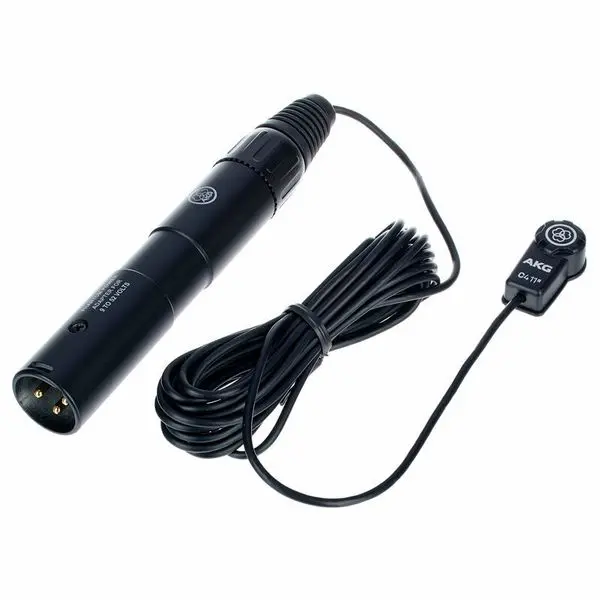
- contact mic with strong feedback rejection
- very little bleed on loud stages
- stable position while you move
- resistant to wind noise
- contact mic tone with little room ambience
- mounting and cable noise need attention
DPA 4099
Studio
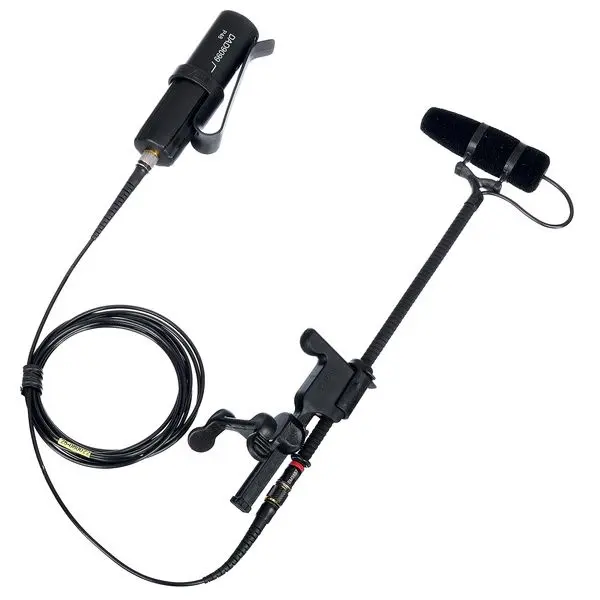
- very natural string tone
- excellent isolation close to the source
- flexible mounts for many instruments
- very low self noise
- high price
- placement takes a little time
Your result
Lewitt LCT 140 AIR
Entry-Level
- two voicings, Flat and Air
- strong price to performance
- pad and high pass available
- fast transients for clean articulation
- on the bright side in Air mode
- less depth layering than higher priced classics
SE Electronics SE8
Mid-Range
- very low self noise
- fine transients, clear bow and pick definition
- pad and high pass
- natural highs without harshness
- needs a well treated room
- less characterful than a KM 184
Neumann KM 184
Studio
- excellent detail resolution
- cuts through an ensemble well
- consistent as a stereo pair for XY and ORTF
- low self noise
- presence lift can emphasize hardness
- significantly more expensive to buy
JTS CX-508
Entry-Level
- budget friendly clip mic
- sturdy bell clamp with flexible gooseneck
- cardioid pattern gives decent isolation
- clear mids that cut through a mix
- needs phantom power via the included XLR module
- a bit bright on axis, angle carefully
AKG C 519 M
Mid-Range
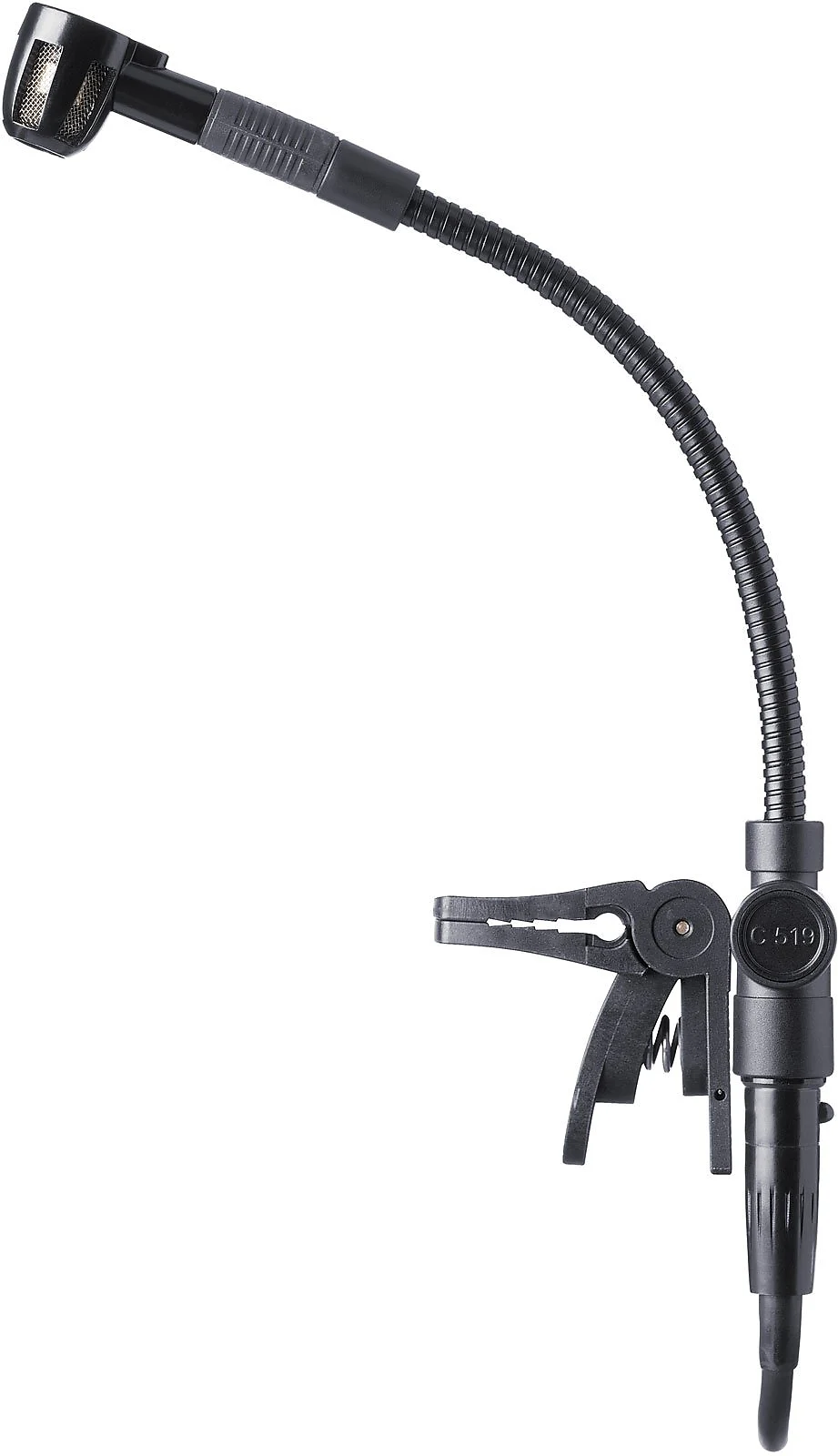
- high SPL handling for loud brass sections
- secure clip with flexible gooseneck
- narrow pickup for solid isolation
- XLR adapter included, ready to use
- requires phantom power
- can sound bright on axis at the bell, watch the angle
DPA 4099
Studio
- very natural sound
- excellent close range isolation
- flexible mounts for many instruments
- very low self noise
- high price
- placement takes a little time
Your result
Lewitt LCT 140 AIR
Entry-Level
- gentle highs, pleasant sibilance on flute
- solid detail for woodwinds
- easy handling in a home studio
- cardioid pattern keeps focus on the source
- sensitive to plosives, pop filter recommended
- no pad and no high pass
SE Electronics SE8
Mid-Range
- silky highs that tame sharp reed noise
- natural body on saxophone and bassoon
- figure eight pattern with a nice sense of room
- good separation from a slightly off axis position
- needs plenty of gain and a clean preamp
- wind sensitive, pop filter is essentially required
Neumann KM 184
Studio
- fast transients for precise articulation
- very low self noise
- works as a spot mic and as a stereo pair
- cuts through an ensemble well
- presence lift can accentuate sibilance
- placement on flute is critical
JTS CX-508
Entry-Level
- budget friendly clip mic
- sturdy bell clamp with flexible gooseneck
- cardioid pattern gives decent isolation
- clear mids that cut through a mix
- needs phantom power via the included XLR module
- a bit bright on axis, angle carefully
AKG C 519 M
Mid-Range
- secure clip with gooseneck
- strong feedback rejection live
- narrow pickup angle for clear solos
- XLR adapter included, ready to use
- on axis can be bright, watch the angle
- less suitable for flute and oboe
DPA 4099
Studio
- very natural woodwind reproduction
- dedicated mounts for saxophone clarinet and oboe
- excellent isolation on loud stages
- very low self noise
- high price
- positioning takes some time
Your result
Maono DGM20 USB
- USB-C and USB-A
- microphone arm included
- RGB lighting
- very affordable
- strong price to performance
- entry level
- “chinaware” with limited warranty or support
Fifine AM8
- USB-A and XLR
- microphone arm included
- very affordable
- strong price to performance
- RGB lighting in USB mode only
- entry level
- “chinaware” with limited warranty or support
HyperX Quadcast 2S
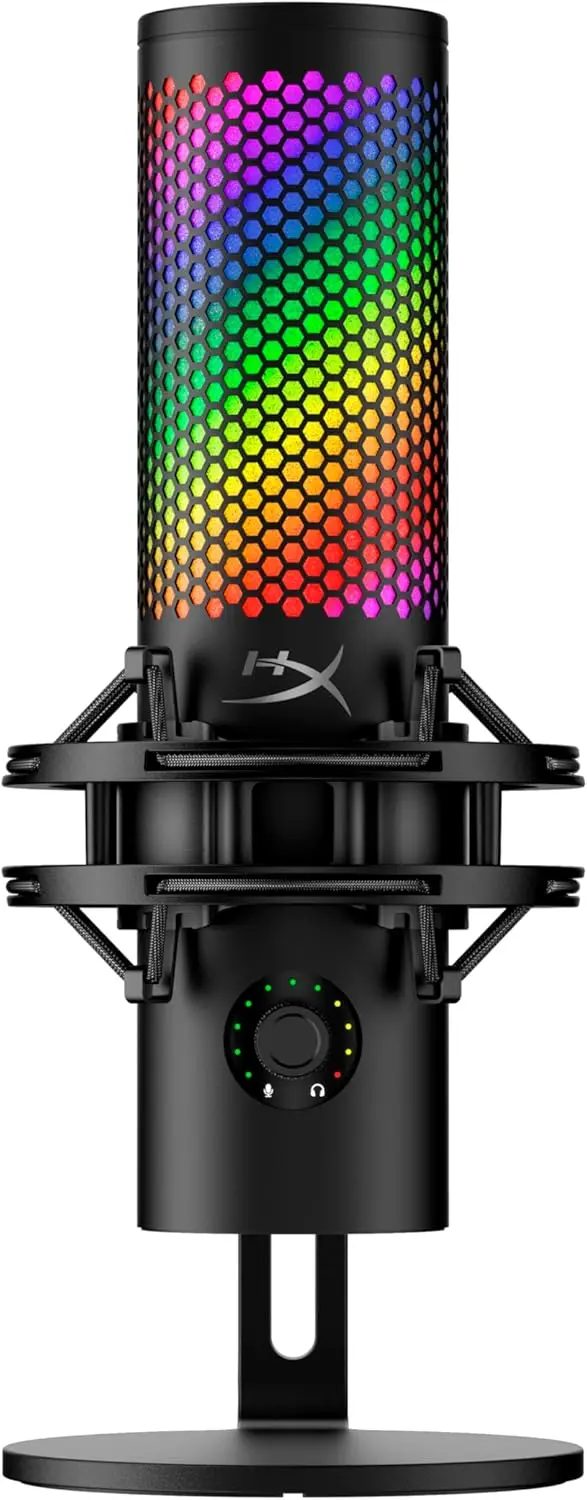
- USB-A connection
- desk stand with integrated pop filter
- good price to performance
- four polar patterns
- headphone output
- weak software
- no color changes on macOS
Shure MV7+
- USB-A connection
- USB-C also works with smartphones
- desk stand and integrated pop filter
- very good price to performance
- usable long term, not just entry level
- headphone output
- PodMic USB offers almost the same at a better price
Your result
Shure SM57
Entry-Level
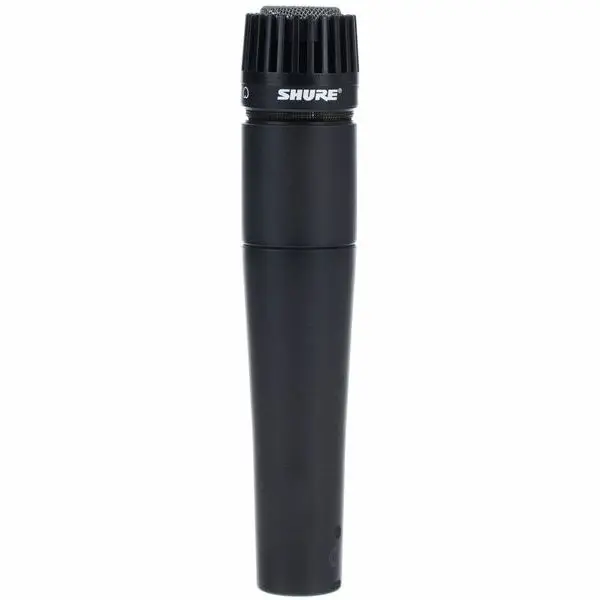
- classic cab tone with present mids
- very high SPL handling at loud amps
- tight cardioid with little room pickup
- rugged and quick to set up
- limited lows and highs
- strong off axis coloration
Sennheiser e906
Mid-Range
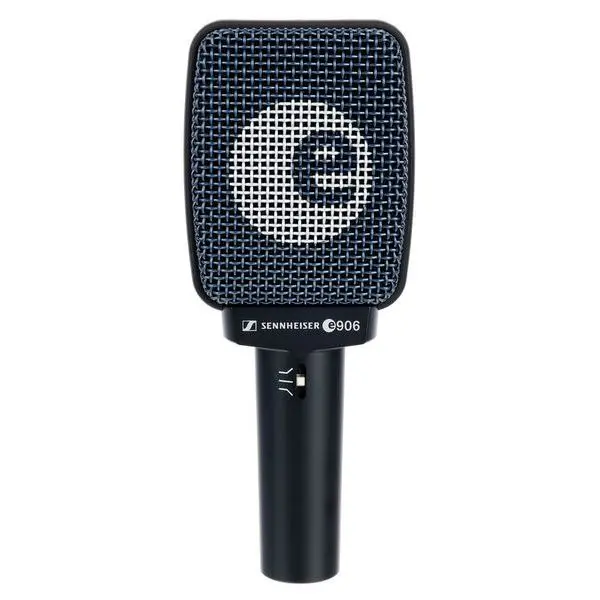
- presence switch with bright, normal, dark
- flat body can hang in front of the cab
- good isolation from the supercardioid pattern
- clear pick attack and palm mutes
- bright setting can sound harsh
- less deep bass than a ribbon
Royer R121
Studio
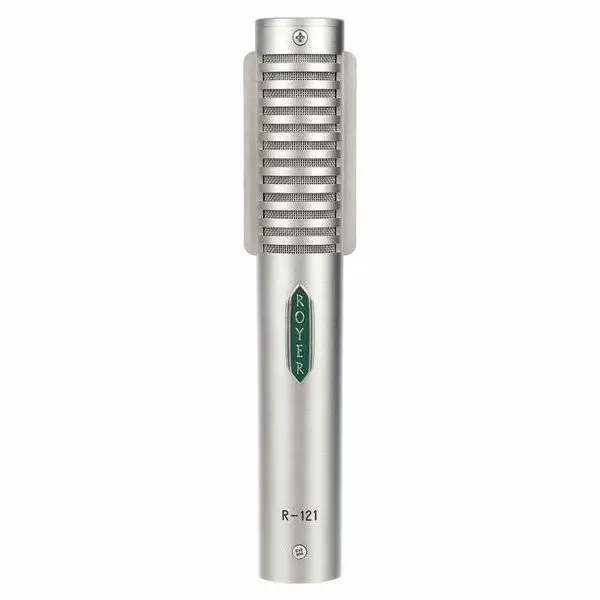
- silky smooth highs
- strong low mids and body
- figure eight pattern with natural room
- perfect pairing with an SM57
- needs a clean preamp
- very expensive and sensitive to wind
Your result
Samson C02 Stereo Pair
Entry-Level

- budget friendly matched pair
- crisp top end adds air
- works well for simple XY or ORTF
- includes basic clips and windscreens in many kits
- higher self noise than midrange pencils
- can sound bright or brittle on cymbals
Rode NT5 MP
Mid-Range
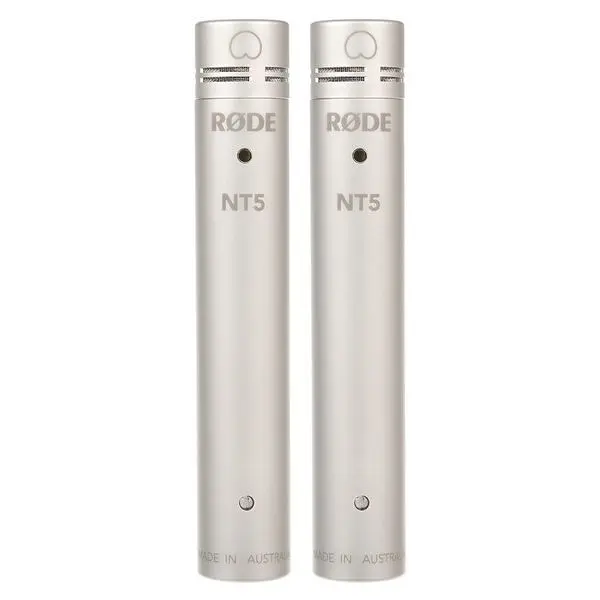
- matched, clean stereo image
- low self noise
- fast transients for tight kit glue
- on the bright side, can emphasize cymbals
- no pad and no filter
- needs careful aiming and spacing
AKG C414 XLS MP
Studio
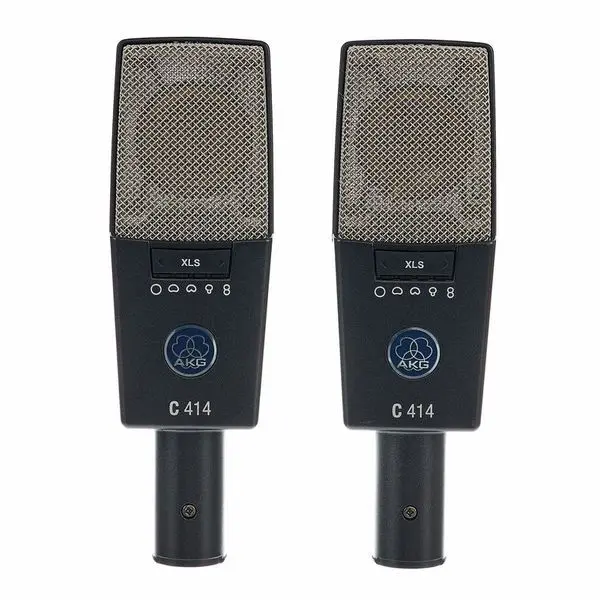
- switchable polar patterns
- very low self noise
- pads and high passes for close and loud sources
- strong depth and room rendering
- expensive to purchase
- larger and more conspicuous in a set
Your result
Behringer BA 19a
Entry-Level
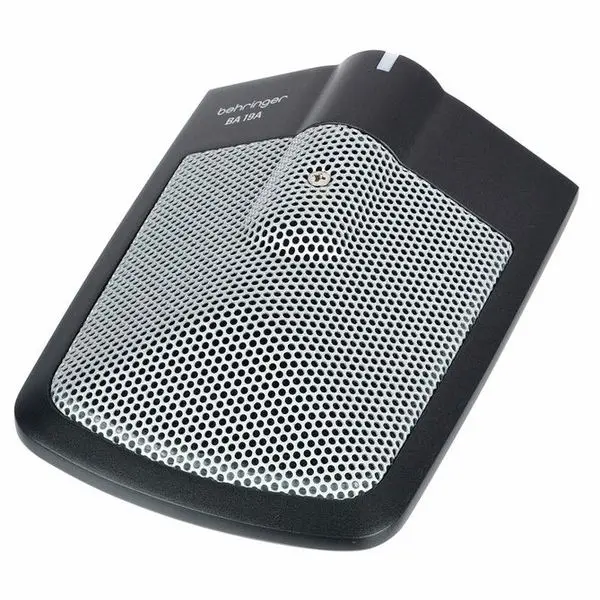
- boundary mic principle for clear attack
- switchable EQ curves for quick dialing
- sits securely on a pillow inside the shell
- budget friendly for this concept
- heavily pre shaped tone
- requires phantom power
AKG D 112 MK II
Mid-Range
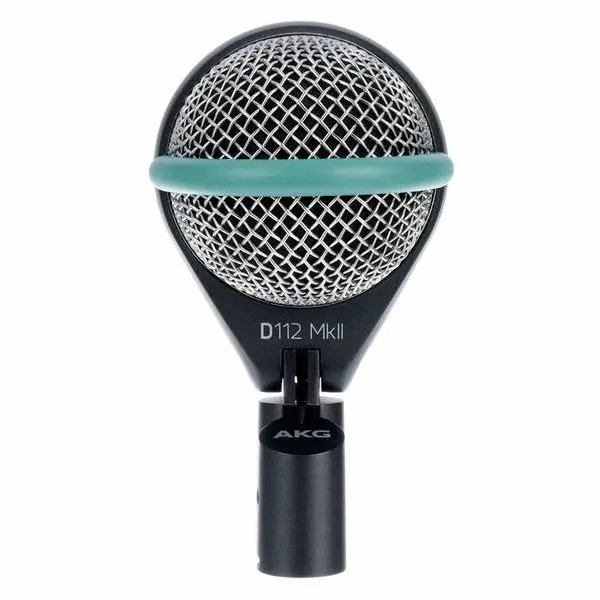
- deep low end with solid sub
- very high SPL handling
- flexible mounting
- works inside or outside the kick
- pronounced signature voicing
- beater can get very clicky quickly
Shure Beta 52A
Studio
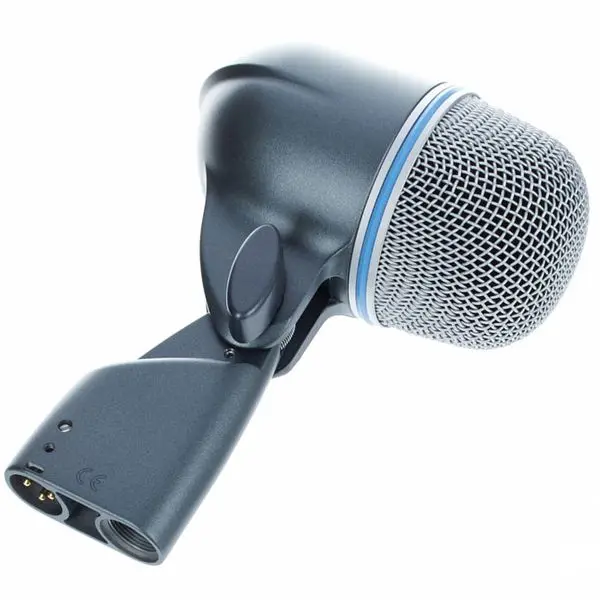
- powerful low bass with punch
- presence boost delivers a clear click
- supercardioid pattern for good isolation
- very robust and road ready
- strongly pre shaped sound
- less natural for jazz and acoustic styles
Your result
Shure SM57 LC
Entry-Level
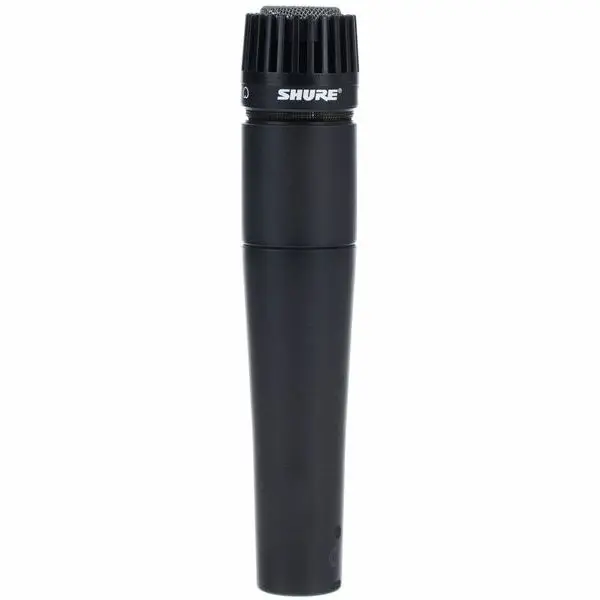
- classic snare sound with defined crack
- very high SPL handling
- good side rejection of hi hat bleed
- rugged and widely available
- Off Axis can sound harsh
- often needs some gain and EQ for more body
Sennheiser MD 421
Mid-Range
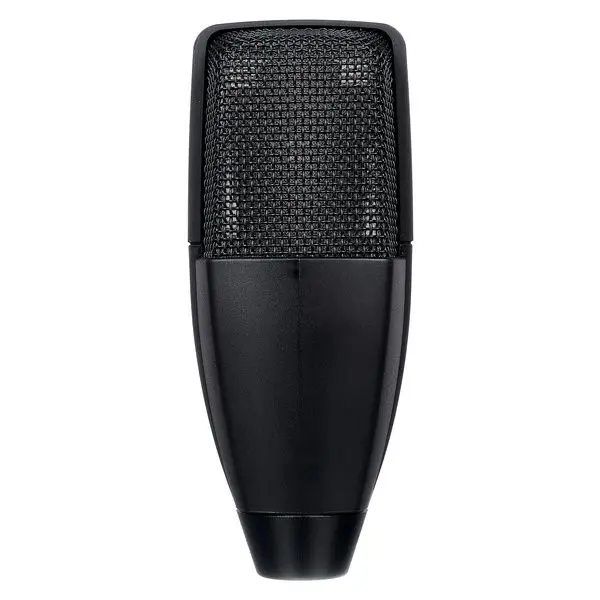
- full body and punch on snare
- fast transient response
- handy bass roll off for quick shaping
- high SPL handling with low distortion
- large, rim placement can be tricky
- picks up more hi hat from the side than a hypercardioid
beyerdynamic M 201
Studio
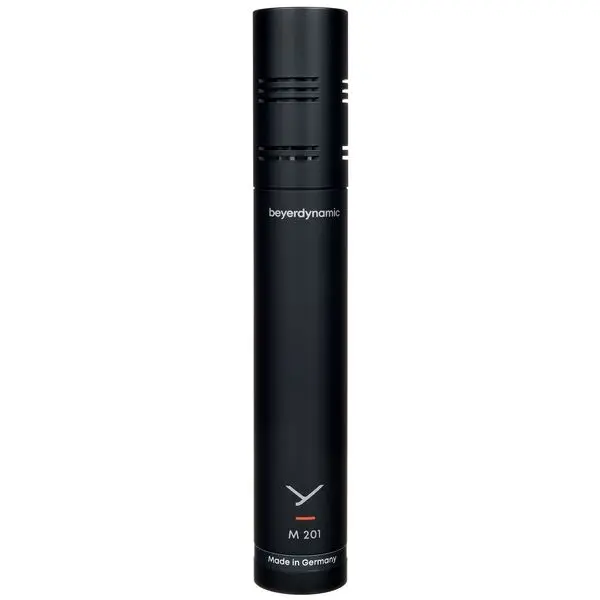
- natural snare sound with fine attack
- very good isolation from the hypercardioid pattern
- slim form factor for easy rim placement
- low self noise and controlled low mids
- low output, needs a clean preamp
- sensitive to placement with a small sweet spot
Your result
Samson C02 Stereo Pair
Entry-Level
- budget friendly matched pair
- crisp top end adds air
- works well for simple XY or ORTF
- includes basic clips and windscreens in many kits
- higher self noise than midrange pencils
- can sound bright or brittle on cymbals
SE Electronics SE7
Mid-Range
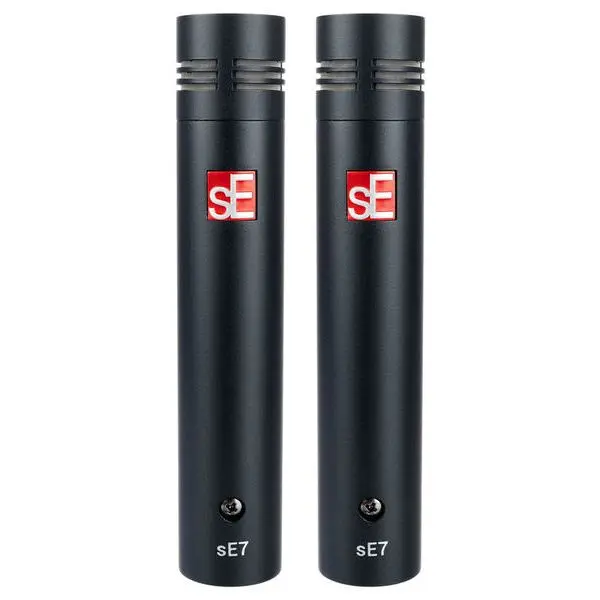
- matched stereo pair
- pad and high pass available
- low self noise
- clean stereo image with solid localization
- a bit bright in the presence range
- off axis can pick up cymbals hard
Rode NT-5 MP
Studio
- matched stereo pair
- fast transients for clear definition
- stable stereo image
- low self noise
- no pads and no filters
- tends bright and can emphasize cymbals
Your result
Zoom H1essential
Entry-Level
- very compact for discreet recordings
- 32 bit float prevents clipping
- USB C interface for laptop or phone
- simple controls for quick rehearsals
- built in XY mic picks up a lot of audience
- no XLR inputs for external mics
Zoom H4essential
Mid-Range
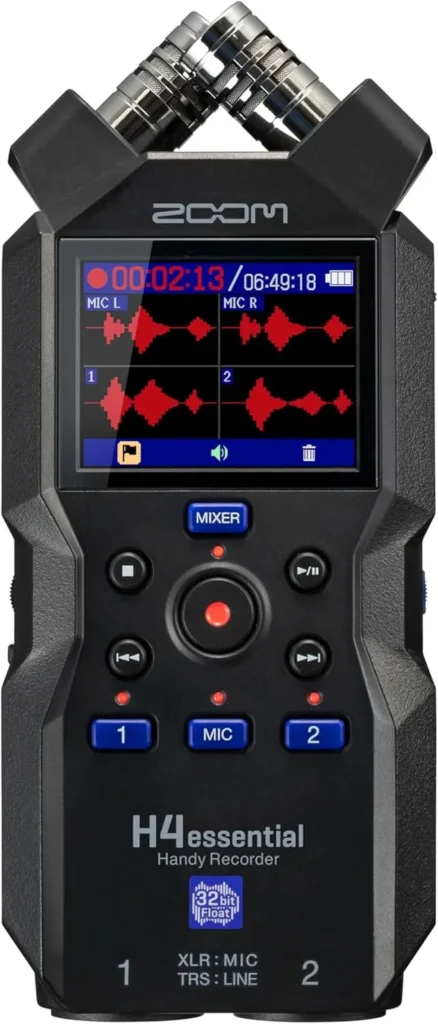
- 32 bit float with headroom at loud concerts
- two XLR TRS combo jacks for room or spots
- USB C multichannel interface for direct recording
- built in XY pair for fast setups
- menu navigation more complex than H1essential
- larger and heavier, tripod recommended
Zoom H6essential
Pro
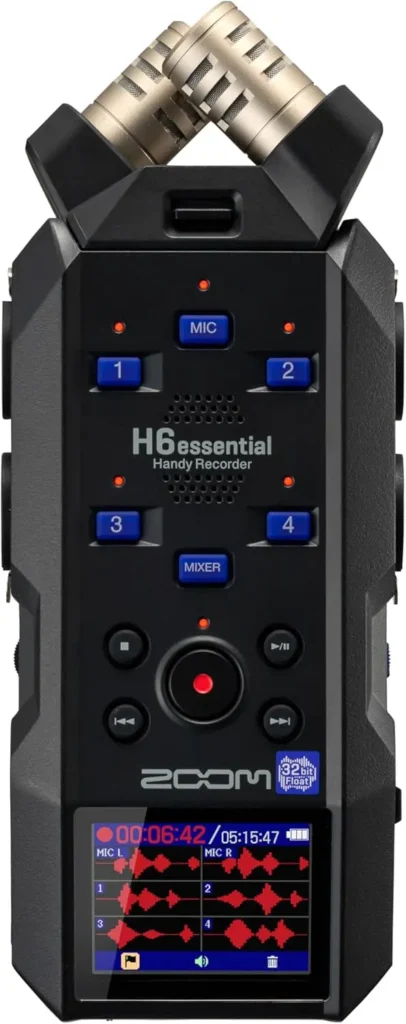
- 32 bit float on up to six tracks
- four XLR TRS combo jacks for multitrack
- USB C multichannel interface for DAW recording
- flexible setup for stage, hall and room
- much more expensive than H1 and H4
- needs more space and planning due to size
Your result
Behringer C1
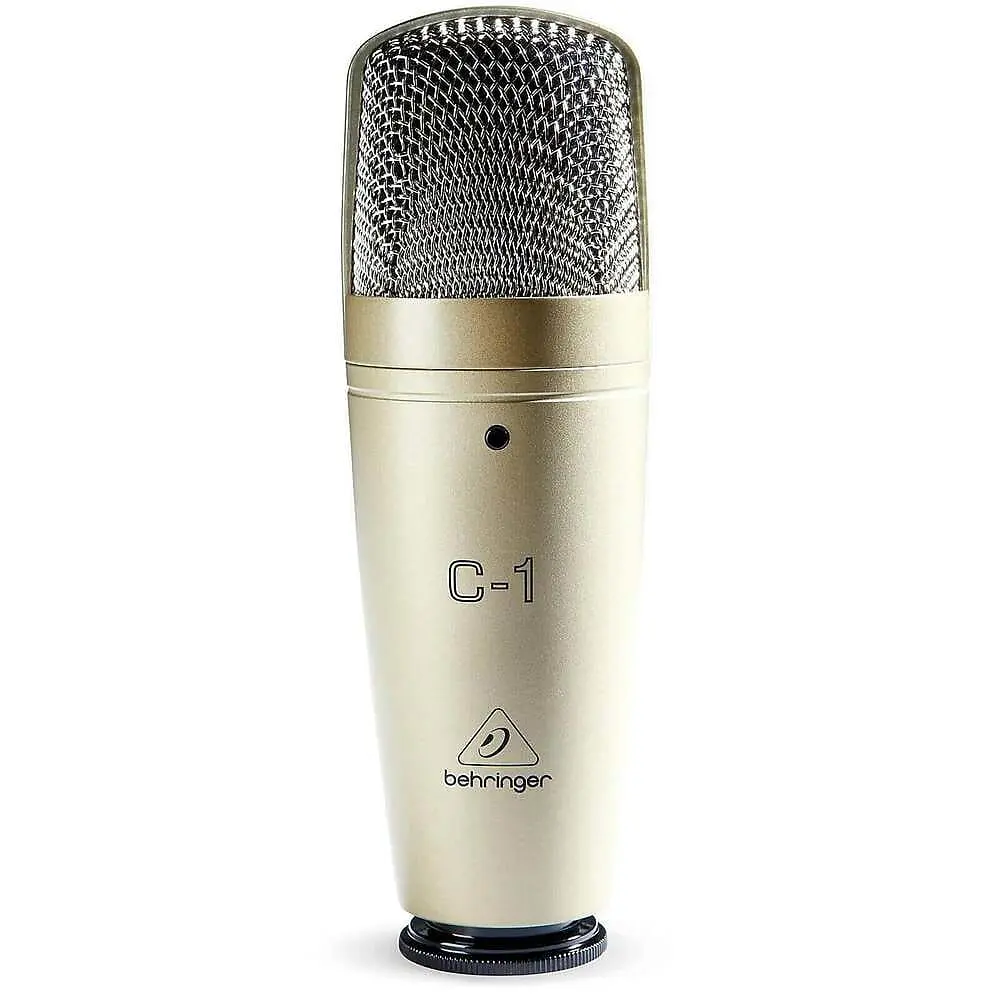
- affordable entry level condenser for vocals
- clear intelligibility for speech and singing
- cardioid pattern helps reduce side bleed
- sturdy metal body, simple to set up
- higher self noise than pricier condensers
- picks up room sound easily, treatment helps
Tascam - TM-80
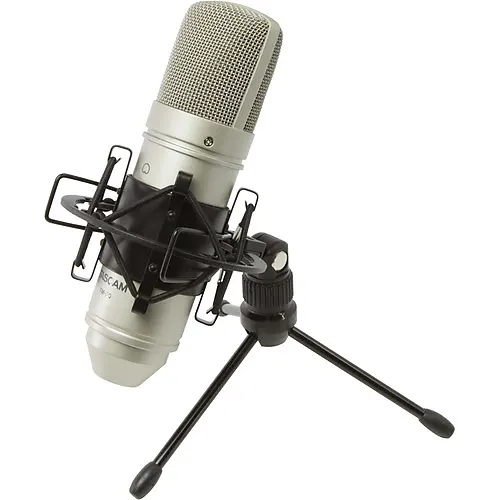
- budget friendly condenser with a warm tone
- includes shock mount and desk stand
- easy plug and record setup for beginners
- decent sensitivity for softer voices
- noticeable self noise on quiet takes
- limited top end detail compared with higher tier mics
Your result
Behringer XM8500

- very affordable and suitable for touring
- good feedback resistance
- darker sound tames sibilance
- solid hand noise damping
- less detail than mid-range models
- needs powerful preamp
Shure PGA48
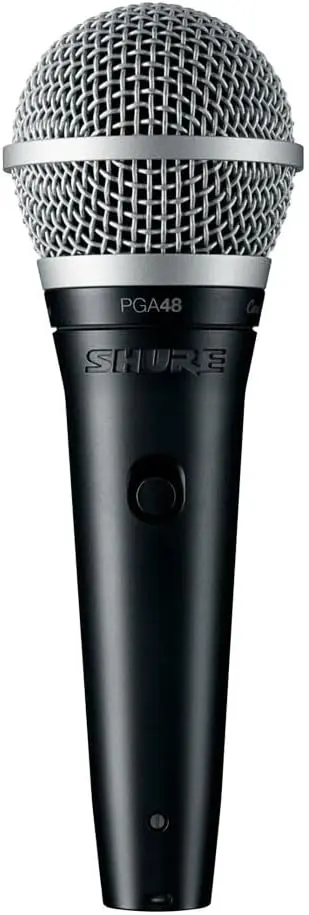
- affordable entry level mic for speech and vocals
- cardioid pattern helps reject bleed
- built in pop filter reduces plosives
- durable metal body for rehearsals and small gigs
- less detail and presence than an SM58 or e835
- requires higher preamp gain and outputs a lower level
Your result
Shure SM58
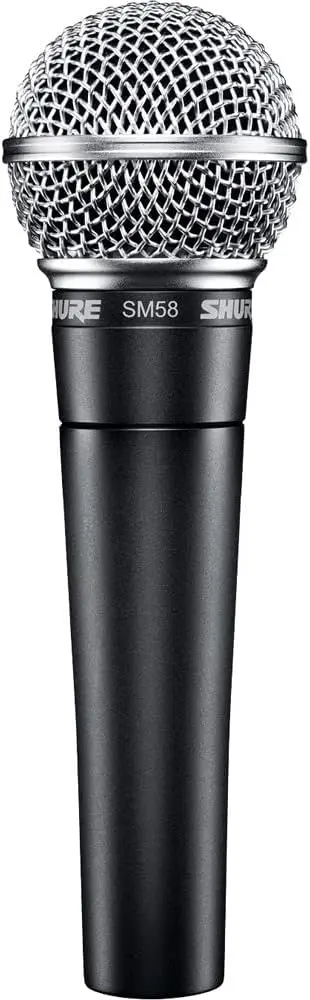
- legendary live sound with warm mids
- very robust and reliable
- Good pop protection integrated
- controlled feedback tendency
- requires more gain than some alternatives
- less lofty tremble
Bestseller
Note: This microphone, or the slightly more expensive beta version with on/off switch and supercardioid pickup pattern, is probably the best microphone for this application. In fact, there are few or no alternatives to this microphone.
Sennheiser E835
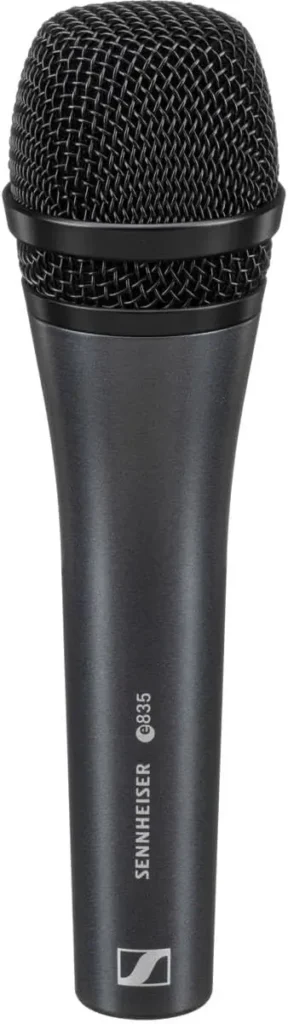
- clear presence with moderate proximity effect
- good speech intelligibility
- high level stability
- consistent results when moving
- Slightly less low midrange richness than the SM58
- Off-axis may cause coloration
Your result
Shure SM Beta 58A
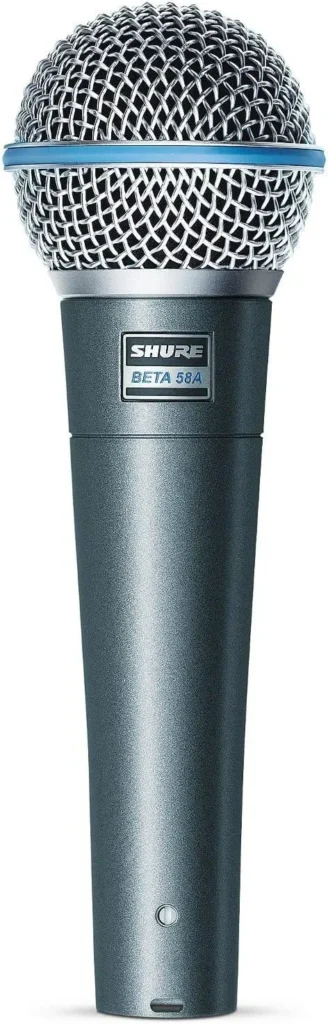
- More presence and detail than SM58
- narrow supercardioid for less bleed
- High level stability and low proximity effect
- Very robust for touring
- can sound sibilant with high-pitched voices
- requires precise microphone positioning
Bestseller
Note: This microphone, or the slightly cheaper LC version with a cardioid pickup pattern, is probably the best microphone for this application. In fact, there are few or no alternatives to this microphone.
Sennheiser e 935
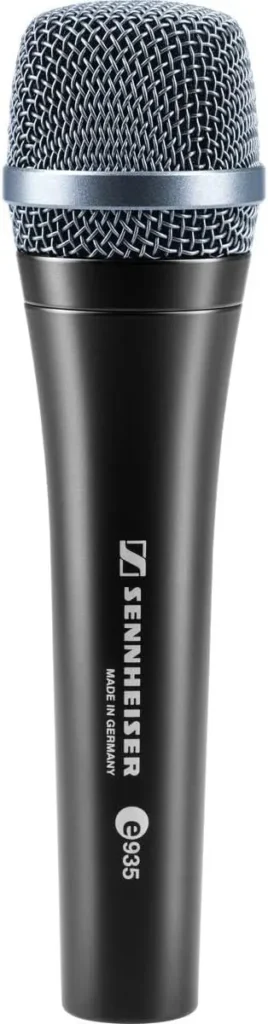
- open highs with natural warmth
- excellent feedback resistance
- Consistent sound during movement
- good plosive control
- Slightly less low end than the e 945
- requires solid monitoring for fine-tuning
Audix OM7
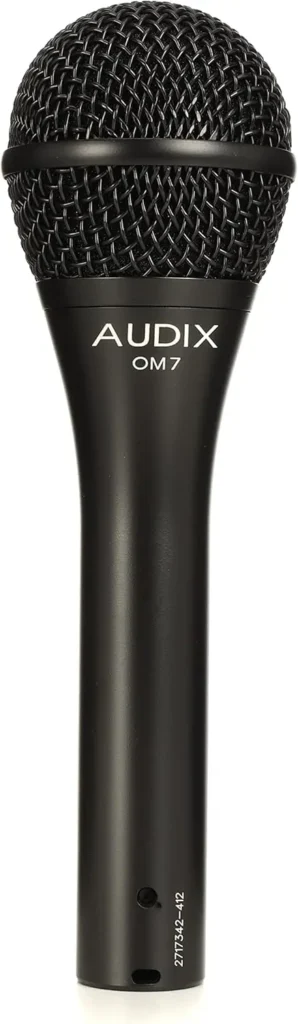
- extremely high feedback resistance
- Very narrow supercardioid for loud stages
- stays clean at high levels
- controlled sibilants
- low sensitivity, high gain required
- requires precise microphone placement in front of the capsule
Your result
Audio Technica AT2020
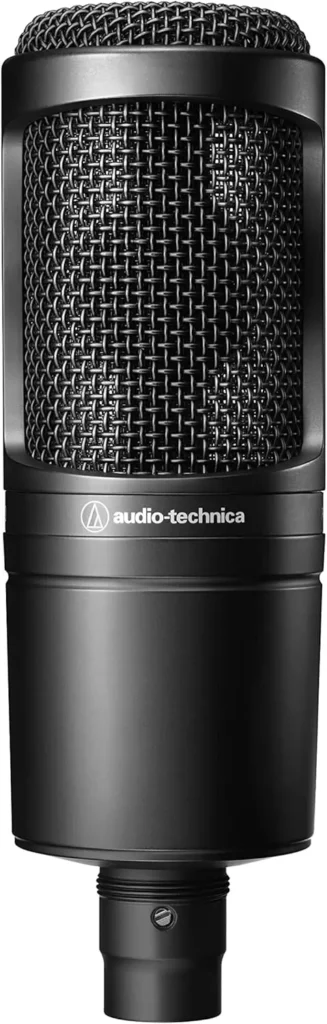
- balanced sound without harshness
- Low noise level for quiet takes
- Good transients for articulation
- works on many voices
- no pads and no filters
- cardioid picks up room noise
sE Electronics X1 S
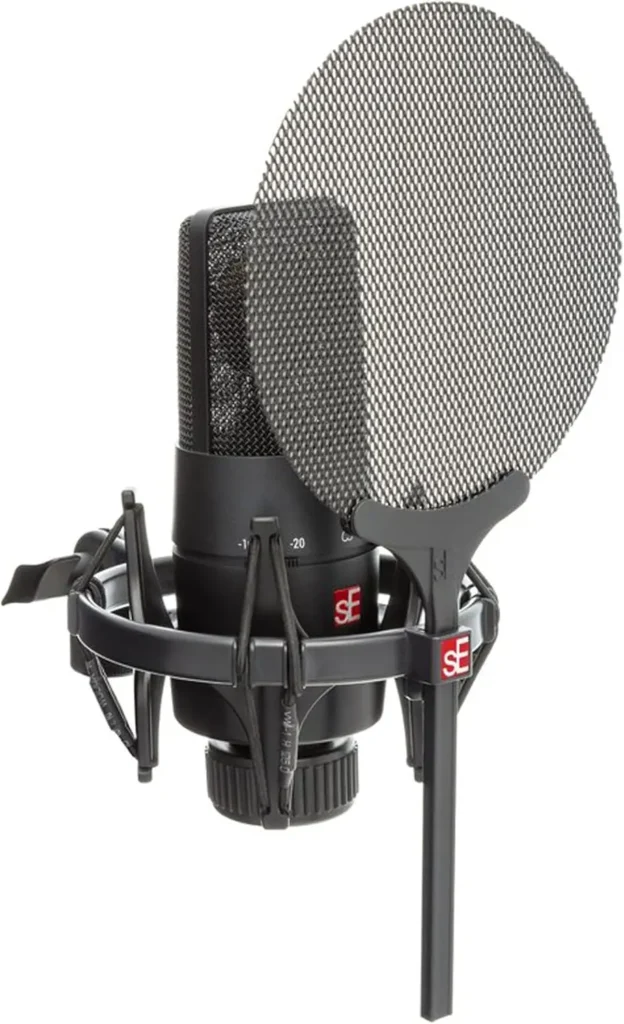
- strong mids for dominance in mix
- Pad and high pass available
- low noise floor
- Solid workmanship and mounting bracket
- Presence boost can emphasize sibilants
- Requires pop filter for close miking
AKG P220
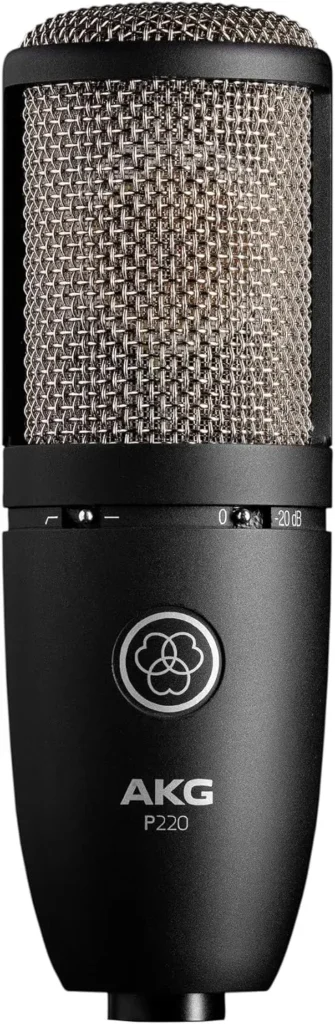
- round sound with pleasant low midrange
- Pad and high pass for flexibility
- good level stability for loud inputs
- little color shift at off-axis angles
- Less refined highs than more expensive AKG models
- Housing relatively large in front of the singer
Your result
Rode NT1 5th Gen
- very low noise floor
- detailes tremble without sharpness
- usable via USB or XLR
- great set with pop filter and shock mount
- digital output in 32-bit-float
- records a lot of room noise
sE Electronics 2200
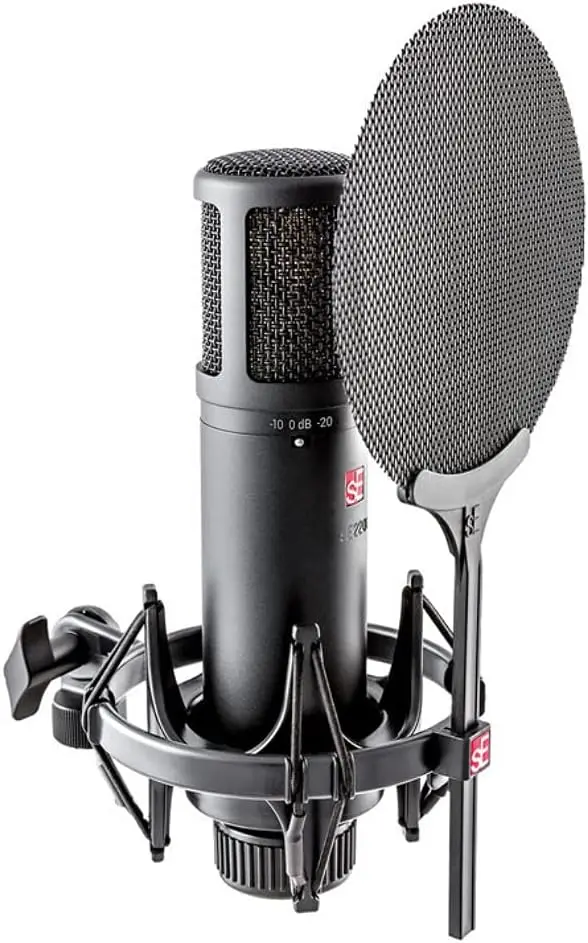
- dense mids, popular for pop vocals
- switchable high-pass filter and pad
- Controlled sibilance with matching pop filter
- sturdy shock mount included in delivery
- may show nasal proportions in small rooms
- Weight requires a stable mount
Audio Technica AT4040
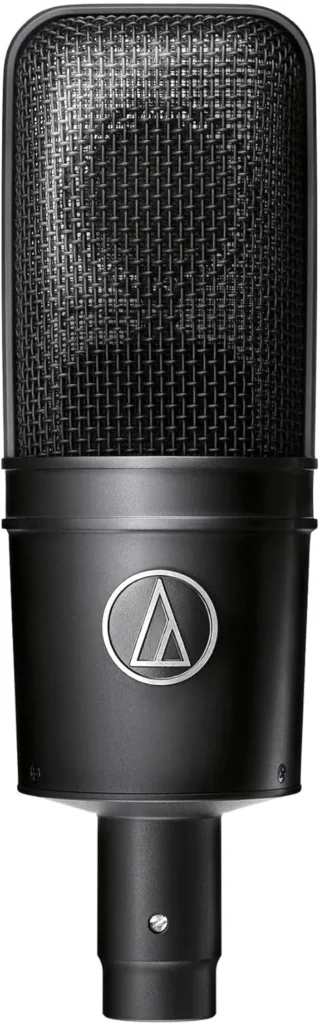
- open and clear with good depth
- very low distortion
- fast transients for precision
- universally applicable to many voices
- needs a clean preamplifier
- less character than tube-based alternatives
Your result
Samson Q2U
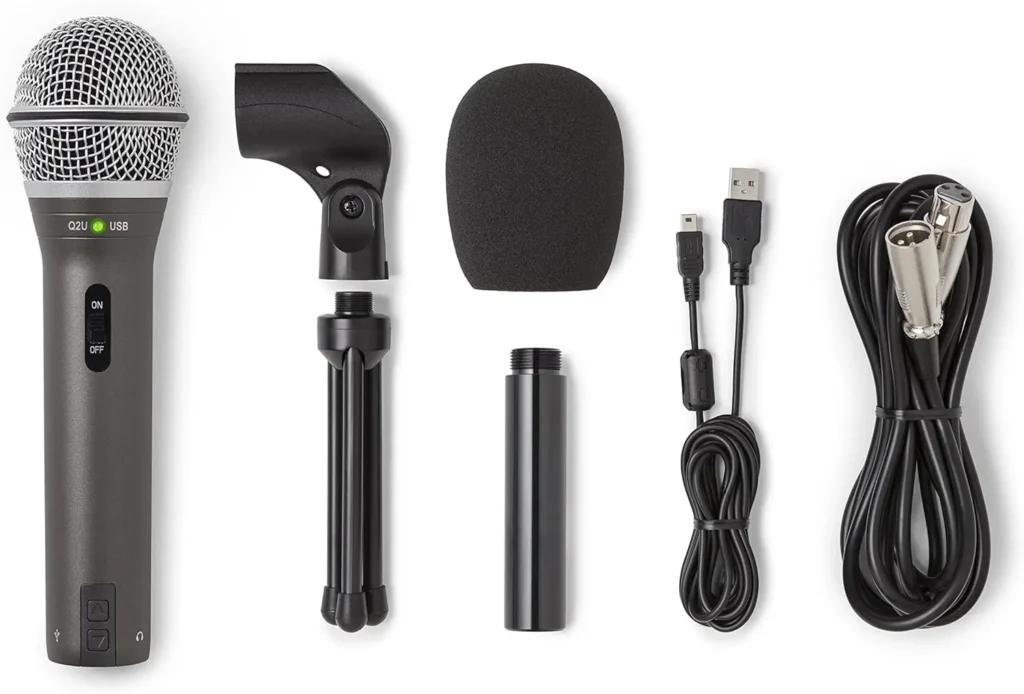
- Dynamic, dampens room reverberation well
- USB and XLR in one microphone
- Headphone output with direct monitoring
- Robust housing and solid pop filter
- requires a lot of gain on the preamp
- less refined trembles than condenser
AT2020USB X
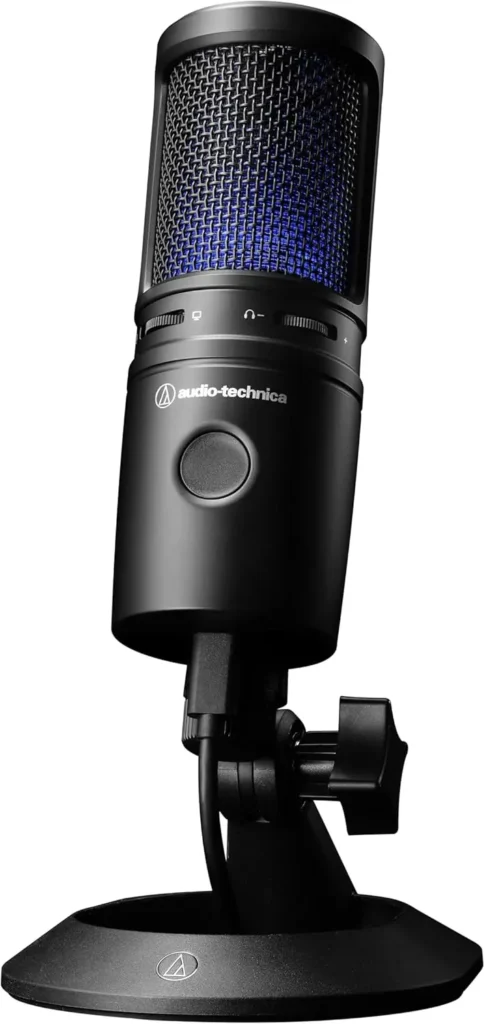
- clear details and good tremble
- USB C, Mute button and headphone jack
- low noise level for quiet recordings
- easy plug and play
- picks up ambient sound more strongly
- More sensitive to plosives, pop filter required
Rode NT1 5th Gen
- very low noise floor
- detailes tremble without sharpness
- usable via USB or XLR
- great set with pop filter and shock mount
- digital output in 32-bit-float
- records a lot of room noise
Note on the accuracy of prices
Please note that prices are not always up to date. The prices of the respective providers apply.
- Use our affiliate links and support our work.
Our website is free of advertising banners and we state transparently when we have been sent a product. By purchasing from our affiliate partners you do not pay more and support us. Thank you!
FAQs
Do I need accessories such as an audio interface or microphone arm?
With an XLR microphone, you need an audio interface to connect it to your PC or Mac. Some microphones require additional accessories, such as a pop filter or a microphone arm. You can also find some models in our blog articles on audio interface comparisons and microphone arms.
What does the soundandgo Microphone Finder do?
Microphone Finder is designed to help you find the right microphone for every application. We select microphones based on our own experience and testing, and we have no partnerships. We use affiliate links to offer this software free of charge and without advertising.
Who is the Microphone Finder suitable for?
The Microphone Finder is ideal for podcasting, streaming, content creation, home office, vocals, and instruments. Whether you’re a beginner or an advanced user, the recommendations are clearly justified and sometimes backed up with blog articles or YouTube videos from the test.
USB or XLR. Which one is right for me?
USB is perfect for solo recordings on your computer and for home office meetings. XLR offers a better basis for podcasts with multiple voices, studio setups, and future upgrades. Keep in mind that with an XLR microphone, you will need to factor in the additional cost of an audio interface.
Dynamic or condenser: What's the difference?
Dynamic microphones are less sensitive to room reverberation and background noise. Condenser microphones sound more open and detailed, but often appear less controlled in loud or reverberant rooms.
In short: dynamic microphones sound warm and smooth, while condenser microphones sound very detailed and close.
Is an inexpensive microphone enough for good quality?
Yes, good results are possible for voice recordings in the range of 60 to 130 euros. It is important to choose the right microphone for your room, the correct distance, and a clean level. If you want to get into the professional field, you should invest a little more.
Why are the prices not up to date?
There are new offers and price changes every day. Since we want to focus on improving your sound, we provide you with an overview of the prices, but not an exact, up-to-date figure, as this would be too much work for us as a relatively small blog.
Do you use affiliate Links?
Yes, we currently use affiliate links. Nevertheless, we evaluate the products 100% honestly, and you may even receive discounts in some cases. We will not recommend products just because we can earn more money from them. Likewise, we will not omit any recommendations just because they cannot be found at any affiliate partner. For product categories, we refer to Reverb, as Reverb is the most popular portal in this area. You can find out more about this on the Our Partners page.
Links marked with * are affiliate links. There are no additional costs for you, some of these links are with an automatic discount for you. We mark these links for transparency and would never recommend bad products. Find out more here: Our partners.